The Termite Zone Map in Victoria

termite zone map

Termites are among the most destructive pests in Australia and Victoria is far from immune. Each year, termites cause billions of dollars in property damage across the country, much of it undetected until it is too late to prevent serious structural harm. Unlike a burst pipe or a broken window, termite damage is largely invisible until it has already progressed beyond the point of easy repair.

What makes termites particularly problematic is the sheer range of materials they can target. These insects feed on anything containing cellulose including -

  • Timber decking
  • Floor boards
  • Wooden fences, structural timber framing, porches
  • Skirting boards and architraves
  • Cupboards (especially those in bathroom and kitchen)
  • Fixed timber furniture
  • Carpet strips and the carpet itself
  • Cardboard boxes
  • Old books, magazines, newspapers and photo albums

A colony can quietly hollow out the structural timbers of a home over months or years, all while remaining completely hidden from view.

Understanding which areas of Victoria carry the highest termite risk and knowing what to look for is one of the most important steps any homeowner can take to protect their property.

Common Termites in Australia

Australia is home to approximately 350 species of termites, of which around 40 are considered capable of causing significant structural damage. While drywood termites and dampwood termites do exist and can cause localised damage, the species responsible for the most widespread destruction is the subterranean termite.

Subterranean termites build their primary nests underground, often some distance from the structure they are feeding on. To travel between their nest and a food source, they construct mud tubes, narrow, tunnel-like structures made from soil, saliva and faecal matter. These tubes protect them from exposure to light and dry air. These tubes can run along the exterior of foundations, up through wall cavities, and even across open concrete surfaces.

What makes subterranean termites especially dangerous is their ability to establish satellite colonies inside a building itself. Over time, a secondary colony can grow large enough to become self-sustaining, meaning the infestation is no longer dependent on the original underground nest. By that stage, removal becomes considerably more complex and costly.

Subterranean termites thrive in warm, humid conditions — which is precisely why Queensland and other subtropical states tend to experience the highest rates of infestation. However, Victoria's variable climate, which can be hot and dry in summer and damp in winter, still provides the conditions these insects need to survive and spread.

Termite Prone Zones: Victoria

Contrary to the common assumption that termites are primarily a problem in tropical parts of Australia, Victoria has a significant and well-documented termite presence. Despite its reputation for cooler temperatures, Victoria's climate is more accommodating to termites than many residents realise. 

Summer temperatures across much of the state regularly climb above 30°C, and periods of drought followed by heavy rainfall create the cyclical moisture conditions that subterranean termites depend on for survival. Urban and suburban environments compound this further. Established gardens with mature trees and root systems, timber-framed housing stock (much of it decades old), poorly ventilated subfloor spaces, and ageing plumbing that introduces consistent moisture into the soil all create ideal foraging conditions. Coastal areas such as the Mornington Peninsula and Surf Coast face additional humidity exposure, while inland regions like Bendigo and Ballarat experience the warm, semi-arid summers that suit termite colonies during their most active swarming season. In short, Victoria's varied landscape does not protect it from termite pressure; in many cases, it actively enables it. 

Numerous local government areas across the state have been formally identified as termite-declared zones, meaning termite colonies have been confirmed active in those areas and additional building requirements may apply.

The termite prone areas in Victoria are:

  • Alpine Shire
  • Ararat Rural City
  • Ballarat City
  • Banyule City
  • Bass Coast Shire
  • Baw Baw Shire
  • Bayside City
  • Benalla Rural City
  • Boroondara City
  • Brimbank City
  • Buloke Shire
  • Campaspe Shire
  • Cardinia Shire
  • Casey City
  • Central Goldfields Shire
  • Colac Otway Shire
  • Corangamite Shire
  • Darebin City
  • East Gippsland Shire
  • Frankston City
  • Gannawarra Shire
  • Glen Eira City
  • Glenelg Shire
  • Golden Plains Shire
  • Greater Bendigo City
  • Greater Dandenong City
  • Greater Geelong City
  • Greater Shepparton City
  • Hepburn Shire
  • Hindmarsh Shire
  • Hobsons Bay City
  • Horsham Rural City
  • Hume City
  • Indigo Shire
  • Kingston City
  • Knox City
  • Latrobe City
  • Loddon Shire
  • Macedon Ranges Shire
  • Manningham City
  • Mansfield Shire
  • Maribyrnong City
  • Maroondah City
  • Melbourne City
  • Melton City
  • Mildura Rural City
  • Mitchell Shire
  • Moira Shire
  • Monash City
  • Moonee Valley City
  • Moorabool Shire
  • Moreland City
  • Mornington Peninsula Shire
  • Mount Alexander Shire
  • Moyne Shire
  • Murrindindi Shire
  • Nillumbik Shire
  • Northern Grampians Shire
  • Port Phillip City
  • Pyrenees Shire
  • Borough of Queenscliffe
  • South Gippsland Shire
  • Southern Grampians Shire
  • Stonnington City
  • Strathbogie Shire
  • Surf Coast Shire
  • Swan Hill Rural City
  • Towong Shire
  • Wangaratta Rural City
  • Warrnambool City
  • Wellington Shire
  • West Wimmera Shire
  • Whitehorse City
  • Whittlesea City
  • Wodonga City
  • Wyndham City
  • Yarra City
  • Yarra Ranges Shire
  • Yarriambiack Shire

Signs of Termite Infestation

Identifying a termite problem early can make an enormous difference to both the extent of damage and the cost of resolution. The challenge is that termites tend to avoid open spaces and work from within — so by the time visible signs appear, the infestation may already be well advanced.

There are several key indicators to look out for:

Mud tubes. These are perhaps the most recognisable sign of subterranean termite activity. Look for pencil-thin tunnels running along foundation walls, timber posts, or skirting boards. They are often found near the base of walls or in subfloor areas.

Hollow-sounding timber. When you tap on timber that termites have been feeding on from the inside, it will produce a hollow, papery sound rather than a solid knock. This is a reliable early warning sign in door frames, floorboards, and wall panelling.

Discarded wings. Reproductive termites (known as alates or swarmers) shed their wings after establishing a new colony. Finding small piles of discarded wings near windowsills, doorways, or light fittings suggests swarming activity nearby.

Termite frass. This is termite excrement, which can resemble fine sawdust or small pellets. It is often found near active feeding sites.

Tight-fitting doors and windows. As termites damage the structural timber around doorframes and window frames, warping can occur — causing doors and windows that previously opened smoothly to stick or bind.

If you notice any of these signs, it is important not to disturb the area. Disrupting an active termite site can cause the colony to retreat and relocate, making treatment considerably more difficult.

What to Do If I Have Termites

If you suspect termite activity, or simply want to get ahead of a potential problem, there are practical steps you can take without resorting to harsh chemical treatments.

First, reduce conditions that attract termites. Fix any plumbing leaks, ensure gutters are clear and draining properly, avoid storing timber against the side of your home, and ensure subfloor areas are well ventilated.

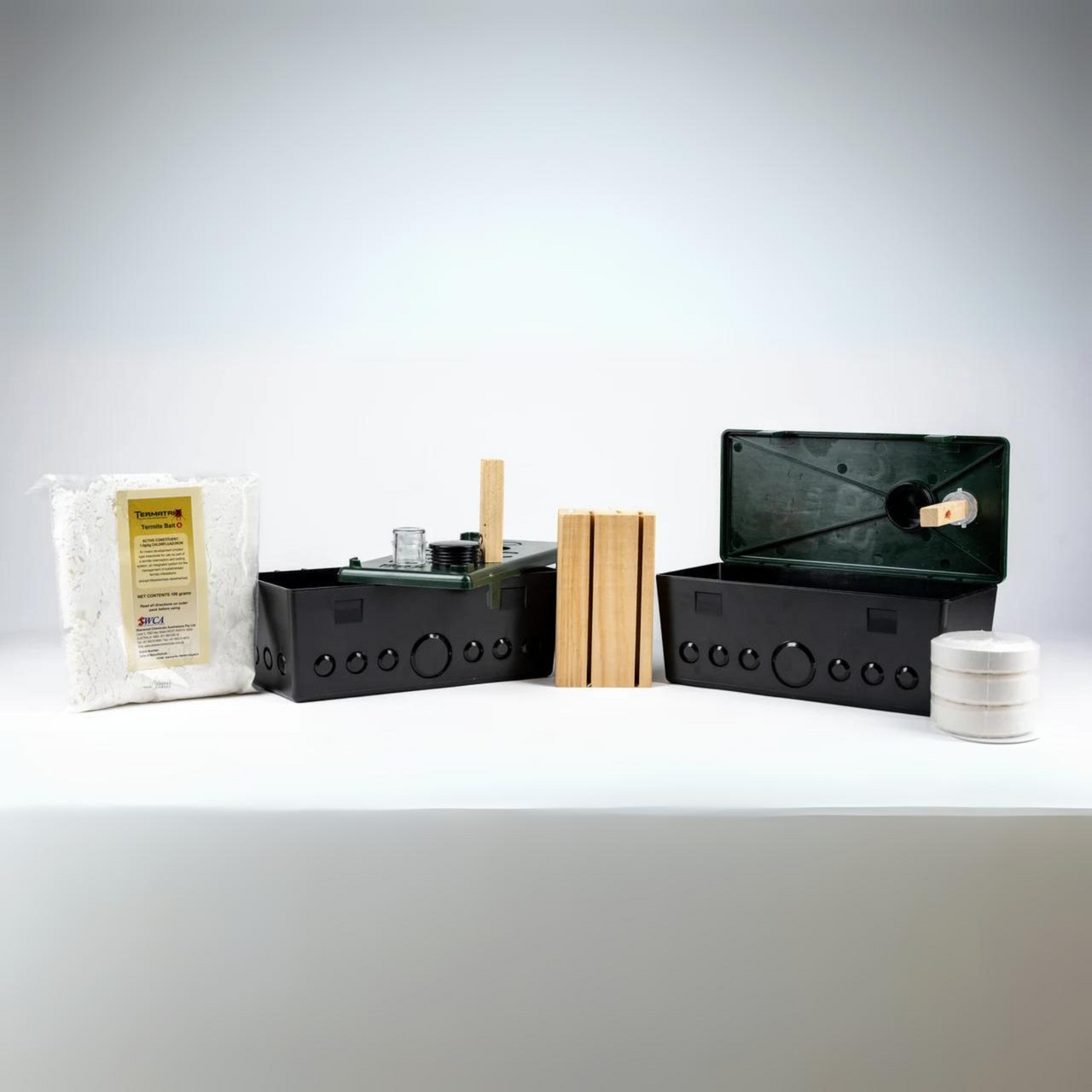
For monitoring and treatment, consider a dedicated bait station system such as the Envirobug Termite Ninja — a DIY termite management system that is entirely poison-free and toxin-free. This is an important distinction. Many conventional termite treatments rely on chemical barriers or toxic insecticides that can pose risks to children, pets, and the surrounding environment. The Termite Ninja takes a different approach.

The system works by deploying bait stations around the perimeter of your home — in the ground, against walls, on stumps, and on patios — using pure cellulose as an attractant. Termites are drawn to the bait, consume it, and carry the treatment back to the colony. The active ingredient targets the queen through an insect growth regulator (IGR), which disrupts the colony's ability to reproduce — ultimately leading to a colony collapse. Critically, the treatment is registered as non-toxic to humans and animals.

The Termite Ninja can save homeowners thousands of dollars compared to professional exterminator fees, and it removes the need for annual inspection costs. The system includes a clear viewing window so you can visually monitor activity without touching the traps, and the bait stations can even be painted to match your home's exterior.

Replacement baits and attractants are available separately, and the reusable ABS plastic traps are built for long-term use in Australian conditions.

It is worth noting that even with a DIY system in place, an annual professional timber pest inspection is still advisable if you suspect a severe infestation. Pest controllers have access to electronic sensing equipment that can identify moisture-affected areas not visible to the naked eye.

Final Word

Termite risk in Victoria is real, widespread, and importantly, manageable. With most of the state's local government areas classified as termite-declared zones, no homeowner should assume their property is automatically safe simply because they do not live in Queensland or a tropical region.

The key to effective termite management is early action. Whether that means installing a monitoring system, addressing the moisture and timber conditions that attract termites in the first place, the cost of prevention is always far lower than the cost of repair.

A proactive, poison-free approach, one that is safe for your family, your pets, and the environment is both achievable and effective. Do not wait until you can hear the walls crumbling. Start protecting your home now.

Products

sale
Termite Ninja - Ultimate DIY Termite Eradication System - Envirobug
Termite Ninja - Ultimate DIY Termite Eradication System from $297.00 $891.00
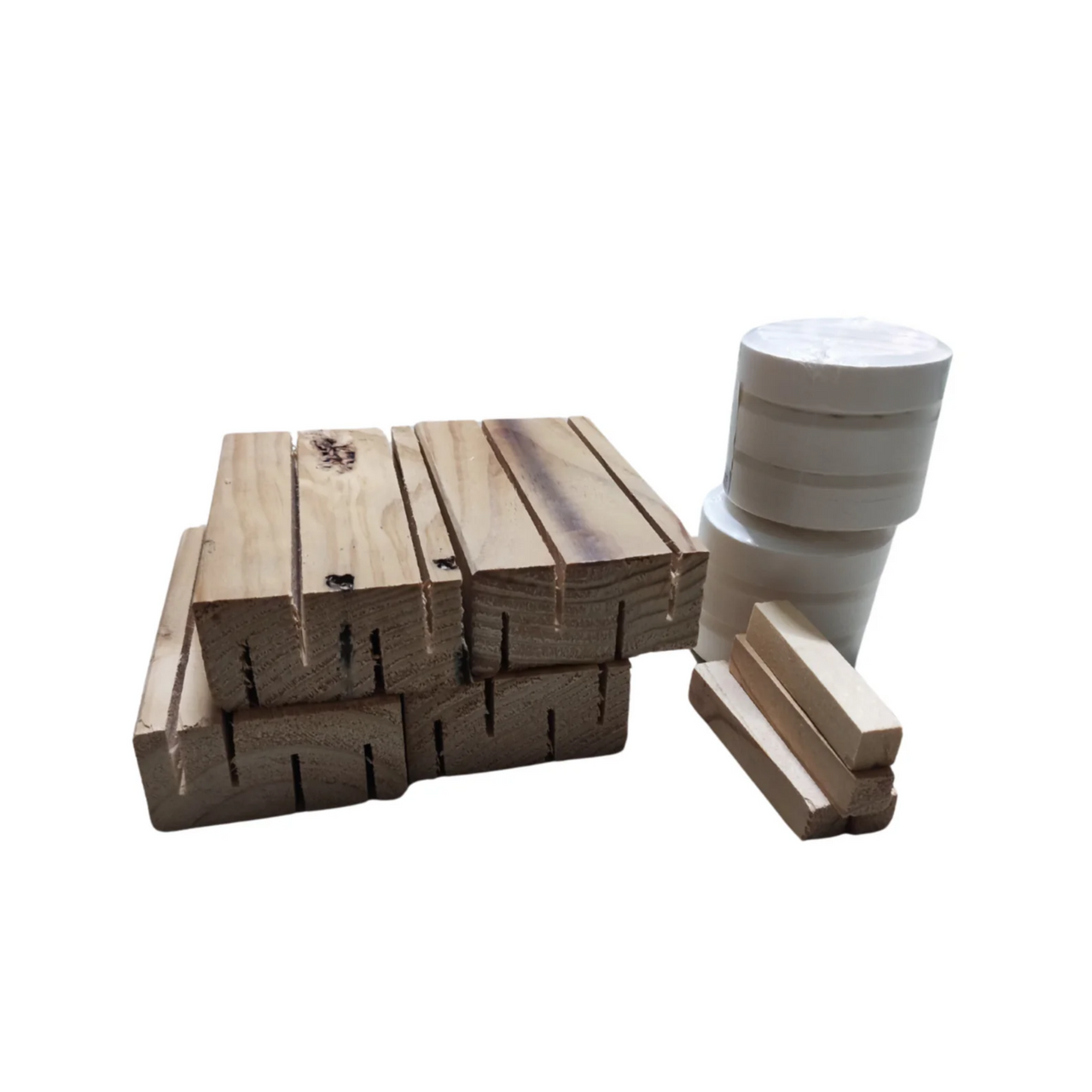
Get professional grade protection – but save 80% to 90% vs. paying an exterminator (Save over $4,000 for a large house) How Does the Termite Ninja Stack Up? Termite Ninja Traditional Exterminator Setup cost One-off kit purchase $2,000–$5,000+ treatment Annual monitoring $0 — you do it yourself $900+ per inspection Treatment cost Cost of killer bait only $2,000–$4,000+ Chemicals APVMA-approved IGR — harmless to humans and animals Often broad-spectrum soil chemicals - these can be toxic to both humans and pets. Flexibility Walls, ground, in-ground, stumps, patios Ground-only in most systems Lock-in None — your system, your schedule Annual contracts standard Termites cause more damage to Australian homes than fires, floods and storms combined — and the traditional answer is an exterminator who charges $900 a year just to look around and thousands more to treat. The Termite Ninja changes that equation entirely. Professional-grade monitoring, attraction and colony eradication — installed by you in minutes, owned by you permanently, with no ongoing fees and no locked-in contracts. We've never had a kit returned. Not one in 18 years. Safe for families. Devastating for colonies. APVMA-approved, harmless to humans and pets — catastrophic for the colony. Where Can I Install It? Termite Ninja is the only system that allows you to directly install termite bait stations to monitor and treat termites anywhere – not just on the ground. On walls — where mud tubes or damage is visible On the ground — around the full perimeter of your home In the ground — buried in-ground stations for perimeter interception On stumps — a favourite entry point for subterranean termites On patios and hardstand — anywhere termites have been spotted or are likely to travel. Why Choose Envirobug DIY Termite Ninja Multi-purpose Termite Control Monitor Bait Stations Compared With Others?   The Flexibility of Termite Ninja Monitor Bait Traps Compared With Other Traps:      How It Works The Termite Ninja runs on three phases: 1. Monitor — Specially prepared bait stations containing fresh wood and pure cellulose tablets are installed around your property's perimeter and anywhere termite activity is suspected. Termites are hardwired to seek cellulose. They find your stations before they find your home. 2. Detect — Check each station through the clear viewing window without touching or opening it. No disturbance, no false alarms, no tools. Just look. 3. Eradicate — When activity is confirmed, use the innovative stacking system to apply killer bait directly above the active station without scaring off the feeding termites. Workers carry chlorfluazuron IGR (a safe, non-toxic growth inhibitor) back to the nest, share it through natural colony behaviour, and the queen dies. Colony collapse follows. No guessing. No approximation. Bait applied directly where termites are active — like a ninja, right to the source. And they never saw it coming. Key Features Install Anywhere Termites Go — The only DIY system that lets you place bait stations on walls, on the ground, in the ground, on stumps and on patios. Not just ground-level. Everywhere termites travel. Saves Up to 80–90% vs. Professional Treatment — A large home can save over $4,000 in treatment costs and $900 every single year in inspection fees. The kit pays for itself almost immediately. Stacking System — The Game Changer — The innovative stacking design lets you apply killer bait directly above an active station without opening it or disturbing the termites feeding inside. This is the detail that makes the difference between termites staying and termites leaving. Clear Viewing Window — Monitor every station with a visual check, no tools, no disturbance. See exactly what's happening inside without touching a thing. Ant-Proof Design — Specifically designed to exclude ants. What you find inside is termites — not a false positive colony of black ants that wasted your time. Reusable Tough ABS Plastic — Built to last years of outdoor exposure, ground contact and weather. Can Be Painted to Match Your Home — Wall-mounted stations blend into your exterior. No eyesore, no visible pest control hardware on your facade. Everything Included — Full complement of cellulose attractant and killer bait powder included with your kit. Step-by-step installation guide and video delivered immediately by email after purchase. Safe. APVMA Approved. — Chlorfluazuron IGR at 1% per kg of pure cellulose. Completely harmless to humans, kids, pets and native wildlife. Devastating to termites. What's in the Kit Every kit contains all of these components - see the below table for the number of each included with each kit size: Termite Ninja multi-purpose ABS bait stations All assembly components — ready to install out of the box An equal number of specially prepared timber attractant and cellulose tablets - to attract termites Chlorfluazuron IGR Killer Bait powder sachet/s - to kill termites Immediate email delivery of step-by-step installation guide and video tutorials Additional attractant tablets and killer bait powder available separately as needed. Package Includes 4 Station 12 Station 18 Station 24 Station 36 Station Bait Station Boxes 4 12 18 24 36 Lid Kits 4 12 18 24 36 Indicator Dowels 4 12 18 24 36 Cellulose Bait Tablets 4 12 18 24 36 Wooden Termite Baits 4 12 18 24 36 Killer Bait Powder Treatments 1 2 3 4 5 User Manual ✓ ✓ ✓ ✓ ✓ Phone & Email Support ✓ ✓ ✓ ✓ ✓ Not sure which size to choose? Measure your perimeter in metres and divide by three — that's your minimum station count. Add one or two spares for killer bait treatments. When in doubt, size up. A gap in your perimeter is the only thing a termite needs.
Quick View
sale
DIY Termite Killer Bait Powder Replacement - Envirobug
Termite Ninja - Killer Bait Powder Replacement from $75.00 $322.00
You've spotted termite activity in your Termite Ninja station. Now you need the one thing that takes a detection event and turns it into a colony collapse. This is the APVMA-approved killer bait powder that worker termites consume, carry back to the nest and share — all the way to the queen. No poisons. No chemicals harmful to humans or animals. Just a growth regulator that shuts the colony down from the inside out. Killer bait only — Termite Ninja stations sold separately. Shop the Termite Ninja DIY System here.  How the Bait Works The killer bait contains chlorfluazuron — a termite growth regulator (IGR) at 1% per kg of pure cellulose. Worker termites consume it, but it doesn't kill them instantly. Instead it weakens their jaw structure, rendering them unable to eat. As food becomes scarce in the colony, termites turn cannibalistic — and the living termites begin consuming those that have already ingested the growth regulator. The IGR passes vertically through the colony, termite to termite, until it reaches the queen. Colony collapse follows. This is the same mechanism professional exterminators use — without the thousands of dollars in fees, the annual contracts, or the chemical soil treatments. Key Features Takes Out the Whole Colony, Not Just What You Can See — Growth regulator passes from termite to termite through natural colony behaviour, ultimately reaching and eliminating the queen. One application, complete eradication. The Same Active Ingredient Professionals Use — APVMA-approved chlorfluazuron IGR at professional strength. No watered-down DIY formula — the real thing, available to you directly. Safe for Humans, Pets and Native Wildlife — Chlorfluazuron is specifically targeted at termite biology. Completely harmless to humans, animals and the broader environment at the rate used. No Use-By Date — Provided it's kept sealed and dry, this bait has an indefinite shelf life. Stock up without worrying about waste. Available in 2, 5 or 10 Packs — 100g per sachet. Match your pack size to the scale of activity across your Termite Ninja stations. Designed for the Termite Ninja Stacking System — Applied via EnviroBug's innovative stacking method, which places the bait directly above an active station without disturbing the termites inside — critical for keeping them feeding. When to Apply the Killer Bait Apply Killer Bait as soon as you observe termite activity inside a Termite Ninja station — indicated by mud tubes, frass, or visible termite presence through the clear monitoring window.  Tip: Speed matters once you've detected activity. The sooner the bait is applied, the sooner worker termites begin carrying it back to the colony. Don't wait for activity to intensify before acting. How to Apply Confirm activity — Check your station's clear viewing window for signs of termite presence Assemble a treatment station — Prepare a new Termite Ninja station with a sachet of Killer Bait inside Stack it on top — Place the treatment station directly above the active one using the stacking system — this delivers bait without opening or disturbing the active station Monitor regularly — Check every 1–2 weeks for ongoing activity and reapply if needed Look for colony collapse — Activity will slow and eventually cease as the IGR works through the colony to the queen
Quick View
sale
Pure Cellulose Termite Bait Unit Attractant - Envirobug
Pure Cellulose Termite Attractant Tablets from $25.00 $50.00
Your Termite Ninja stations work because termites find the bait inside them impossible to ignore. Pure cellulose is the gold standard termite attractant — the same material their colonies depend on for survival. These replacement tablets keep every station in your perimeter fresh, active and drawing termites toward your system and away from your walls, floors or joinery. Why Pure Cellulose? Not all timber attractants are equal. Pure cellulose tablets are specifically processed to maximise termite attraction — stripped of the resins and compounds that might deter feeding, leaving only what termites are hardwired to seek out. It's the most attractive form of cellulose you can put in a station, and that distinction matters when your home is what you're protecting. Cellulose attractant tablets only — killer bait powder and Termite Ninja stations sold separately. Shop Killer Bait Powder here. Shop the Termite Ninja System here.  Key Features Maximum Attraction. Minimum Interference. — Pure cellulose tablets contain nothing that deters feeding — no resins, no preservatives, no compounds that signal danger to a foraging termite. Just irresistible attractant, working around the clock. Keeps Your Perimeter Hot Year-Round — Fresh tablets restore every station's drawing power the moment they're installed. An active, stocked perimeter pulls termites toward your system — not toward your home. No Active Chemicals. Safe for Everyone. — Pure attractant only, with no toxins, no poisons and no risk to humans, kids, pets or native wildlife.  Available in 3, 6, 9 and 12 Packs — Match your pack size to the number of stations you're running. Works Seamlessly with the Full Termite Ninja System — Drop-in replacement for ground, wall, stump, in-ground and patio stations. When to Replace Your Tablets Tablets inside a station appear consumed, reduced or dried out It has been 3–6 months since your last replacement depending on activity level You're heading into spring and summer when termite foraging intensifies A station has just been treated with killer bait and you're returning it to monitoring mode Tip: After confirming colony collapse following a killer bait treatment, replace tablets and return the station to monitoring mode immediately. Even though a collapsed colony won’t come back, neighbouring termite colonies can move into vacated territory — a restocked, active perimeter keeps them from claiming it. How to Replace Your Tablets Check each station through the clear viewing window before opening Open only inactive stations — never disturb a station showing active termite feeding Remove spent or exhausted tablets from the station housing Insert fresh cellulose tablets from your refill pack Close and return the station to its installed position Monitor regularly — check weekly or fortnightly if you have an infestation. Check every 4–8 weeks in active season, every 8–12 weeks in cooler months
Quick View
Termite Ninja Refill Packs - Envirobug
Termite Ninja - Attractant Refill Packs from $69.00
You've already done the hard work — your Termite Ninja stations are in the ground, on the walls, around the perimeter. Now all you need is fresh timber bait to keep them actively attracting. These refill packs give you everything required to restock your monitoring stations and keep your perimeter working year-round, without calling an exterminator or paying for a single inspection. Timber attractant refill only — killer bait and Termite Ninja stations sold separately. Shop Killer Bait Powder here. Shop the Termite Ninja System here.  Why Keep Your Stations Stocked? An empty or exhausted bait station is a station that isn't attracting. Termites need a live, active timber bait source to be drawn in and begin feeding — once the bait is consumed or dried out, your station becomes passive. Regular restocking keeps every station in your perimeter hot, active and pulling termites toward your detection system rather than toward your home. Key Features Keeps Your Perimeter Active and Attracting — Fresh specially prepared timber bait restores your stations' drawing power, ensuring termites are lured toward your system before they find their way into your walls, floors or stumps. No Exterminator. No Inspection Fee. Ever. — Restock your own stations in minutes. No contractor, no annual inspection contract, no $900 fee just to check what you can check yourself through the clear viewing window. Specially Prepared Timber Bait — EnviroBug's recycled timber bait is specifically prepared to be irresistible to termites — not just any wood. It's the right material, prepared the right way, to maximise attraction in every station. Compatible with the Full Termite Ninja System — Designed exclusively for EnviroBug Termite Ninja bait stations. Drop-in replacement that works seamlessly with your existing setup — ground, wall, stump and in-ground stations. Safe for Humans, Pets and Native Wildlife — Pure cellulose timber bait with no active chemicals in the monitoring phase. Nothing toxic, nothing harmful — just a timber attractant that termites can't resist. Available in Multiple Pack Sizes — Match your pack size to the number of stations you're running. Keep spares on hand. When to Restock Your Stations Separate to monthly checks for termite activity, you should thoroughly check your stations every 3–6 months by opening them up and looking at the state of the wooden and cellulose tablet baits. This is especially the case as you're heading into warmer months (when termite activity peaks). Specifically, you should replace your baits when: The timber bait or cellulose tablets inside the station appear consumed, reduced or has got wet You've recently treated an active station and want to return it to monitoring mode Tip: After a successful treatment with killer bait and confirmed colony collapse, restock your stations with fresh timber attractant, cellulose tablets and return them to monitoring mode — termites from neighbouring colonies can move in to fill the territory within 12 months. How to Restock Your Stations Check each station through the clear viewing window for signs of activity before restocking Open inactive stations that show no current termite presence Remove spent or exhausted timber bait and replace with fresh attractant from your refill pack Close and return the station to its installed position Monitor regularly — every 4–8 weeks during active season, every 8–12 weeks in cooler months
Quick View

Designed for Australian Conditions

Eco-friendly

No poisons

12 month warranty

30 Day

satisfaction guarantee

Afterpay American Express Apple Pay Google Pay Shop Pay Visa Mastercard