


![Garden Guardian 2nd Gen – Solar Powered Ultrasonic Animal Repeller - [PRE-ORDER for Mid November] - Envirobug](http://envirobug.com.au/cdn/shop/files/2026-10-13-GARDEN-GUARDIAN-2ND-GEN-06_1280x.jpg?v=1791867159)

Cockatoo Deterrents
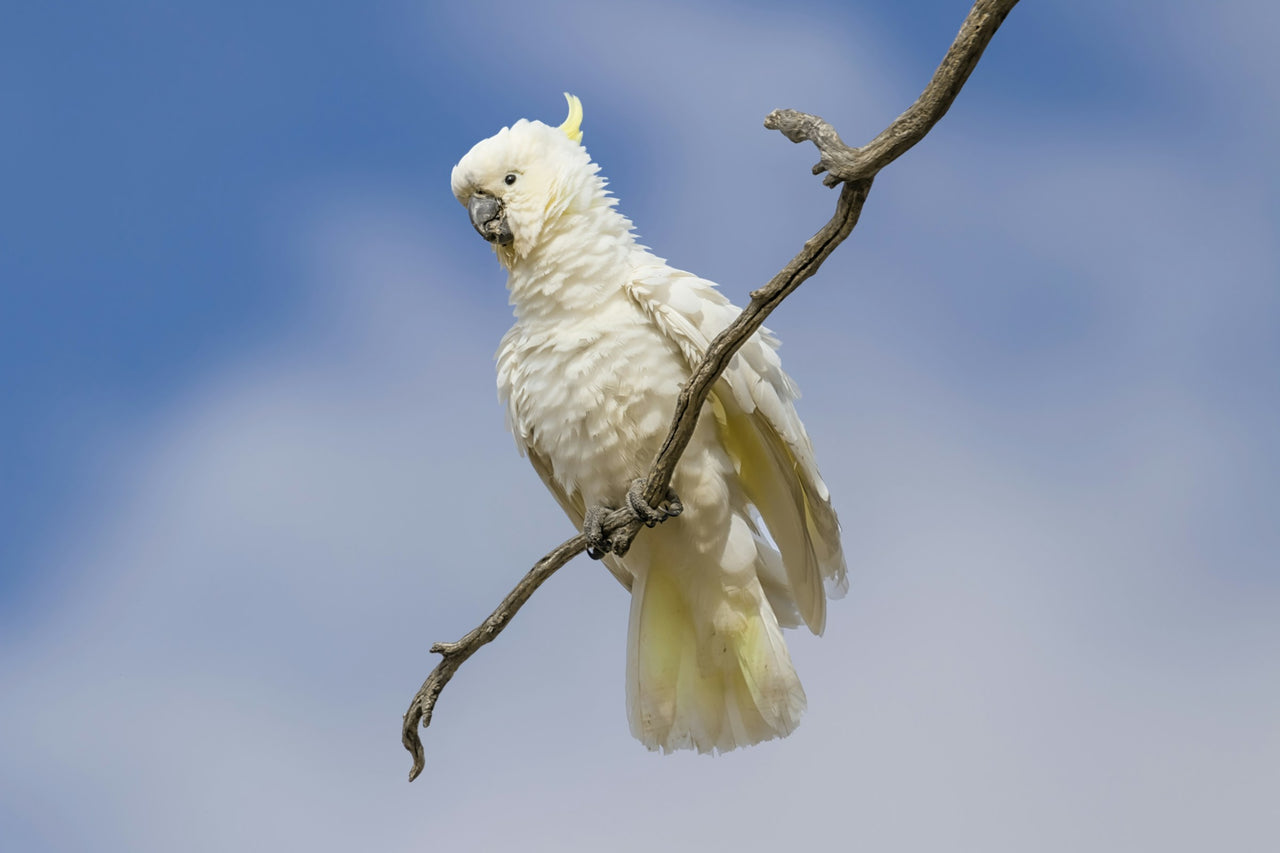
Cockatoos are smart, persistent and capable of causing serious damage to fruit trees, lawns, gardens and outdoor spaces. If they find food, shelter or an easy landing spot, they can quickly turn a healthy garden into a battleground of broken branches, stripped fruit and noisy repeat visits.EnviroBug’s cockatoo deterrent range is built to protect your garden without poisons or cruelty. The collection combines physical barriers for fruit trees with humane outdoor deterrents that help make your property less appealing to large birds in the first place.
Why Cockatoos Become a Problem
Cockatoos are smart, bold birds that can quickly become a problem around gardens and bins. They raid food, damage fruit and can leave a mess that attracts other pests, while also causing damage to wooden features around the property.They’re especially hard to deter because they learn fast and often work out how to get around simple barriers, so the best results usually come from combining netting with humane deterrents.
Once they settle in, they can damage plants, strip fruit and keep coming back. That is why the best approach is usually a combination of prevention, barriers and humane deterrence.
Protect Fruit and Garden Zones
For trees and fruiting plants, physical protection is often the most reliable option. Tree Defender Drape Nets, Tree Defender Bird and Insect Net and Tree Defender Fruit Bags create a barrier that helps keep cockatoos off the fruit while still allowing sunlight and moisture through.These products are especially useful when you want to protect individual trees, shrubs or fruiting branches without changing the rest of the garden. They are a practical first line of defence where direct access is the real problem.
Add Humane Deterrence
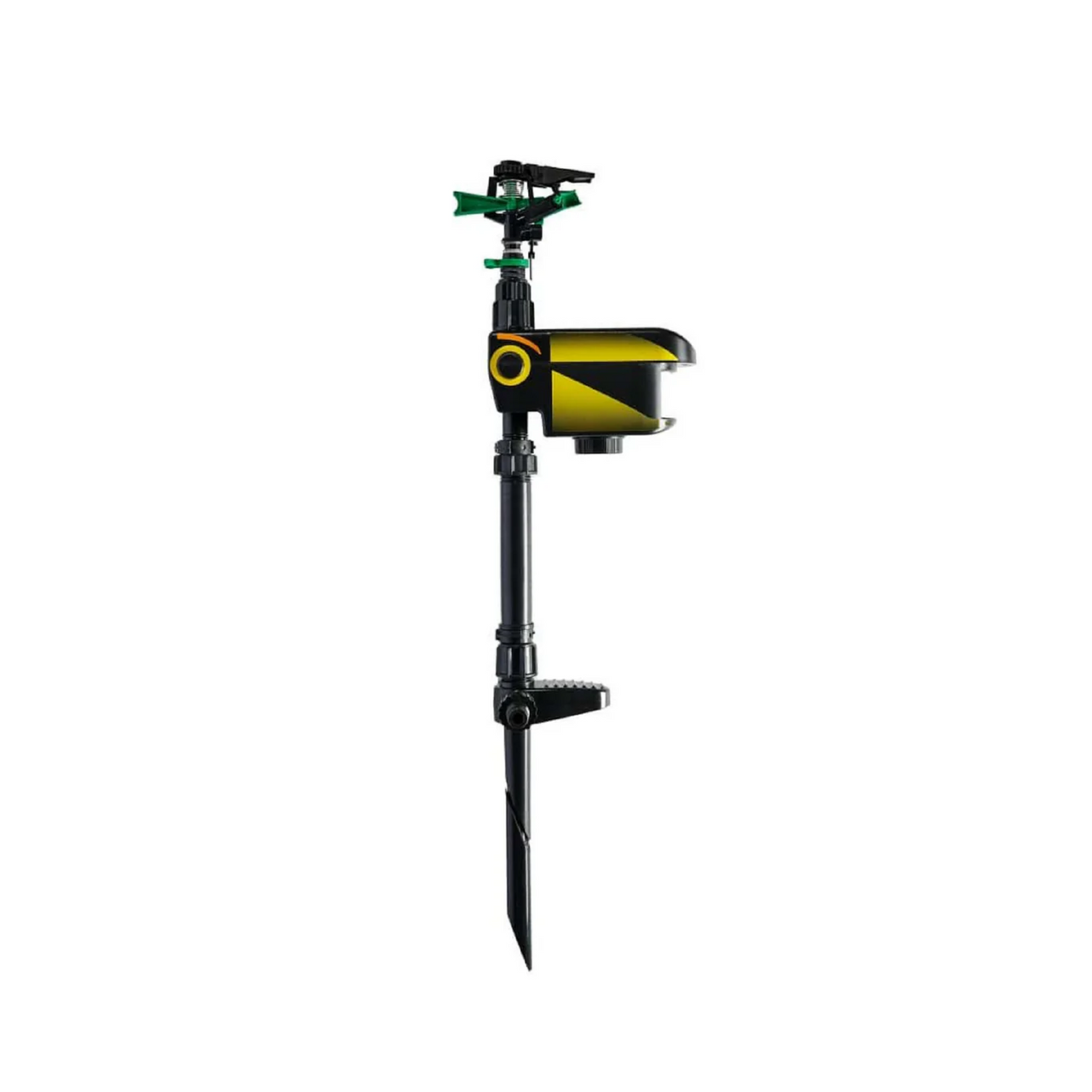
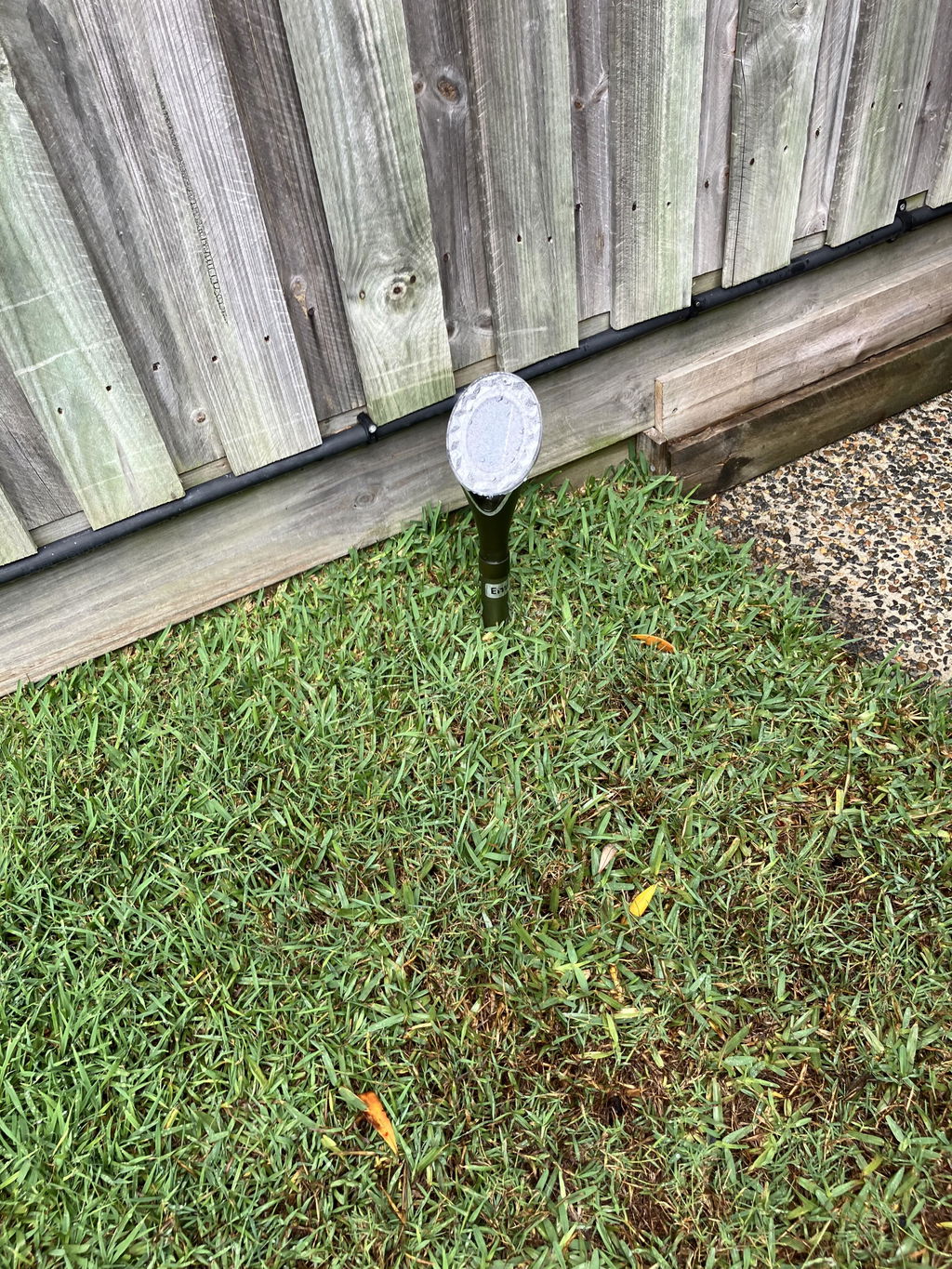
If cockatoos are landing across the wider garden, physical netting is not enough on its own. That is where broader deterrents like the Garden Watchman Solar Animal Repeller, Garden Guardian Solar Powered Ultrasonic Outdoor Animal Repeller and Garden Sentinel Motion Activated Animal Sprinkler can help.The Garden Watchman is the stronger ultrasonic option for larger properties, while the Garden Sentinel uses motion-triggered water sprays, noise and movement to startle birds and encourage them to move on. The Garden Guardian solar-powered ultrasonic repeller offers another low-maintenance option for keeping large birds from settling in repeatedly.
Why Choose EnviroBug
We focus on practical, humane bird control that actually helps protect your space. That means products that are easy to use, effective in the real world and designed to reduce pressure on your garden without harming wildlife.You need a layered approach: net what needs protecting, deter what keeps returning and keep your garden working for you, not the cockatoos.
Product Guide
| Product | Best for | Why it fits |
|---|---|---|
| Tree Defender Drape Nets | Larger fruit trees and broad canopy protection | Creates a full physical barrier against birds and insects. |
| Tree Defender Fruit Protection Sleeves (10 Pack) | Individual fruit, clusters or small branches | Targeted protection for fruiting plants without covering the whole tree. |
| Tree Defender Bird and Insect Net | Trees, berries and vulnerable garden plants | Ultra-fine mesh helps keep birds and insects out while letting sunlight through. |
| Garden Watchman Solar Animal Repeller | Larger gardens and open properties | Strong outdoor deterrence for bigger bird pressure. |
| Garden Guardian Solar Powered Ultrasonic Outdoor Animal Repeller | Low-maintenance bird deterrence | Helps make open garden areas less attractive over time. |
| Garden Sentinel Motion Activated Animal Sprinkler | Repeated landings, lawns and garden beds | Motion-triggered water, sound and movement help startle birds away. |
How to Choose
If cockatoos are eating fruit or damaging a specific tree, start with netting or fruit bags. If they are repeatedly landing across the garden or treating your yard as a regular stopover, add a motion or ultrasonic deterrent for broader pressure.For many homes, the best result comes from combining both approaches: barriers for the plants you want to protect and deterrents for the parts of the garden you want to keep clear.