
Cockroach traps and bait stations are a cornerstone of modern pest control, offering a popular and effective method for tackling infestations. The presence of cockroaches is more than just an unpleasant nuisance; they pose significant health risks by spreading bacteria, triggering allergies and contaminating food, as highlighted by health organisations like the World Health Organization (WHO). For many homeowners, the immediate question is: do cockroach traps actually work and how can they be used to effectively reclaim a home from these resilient pests?
This guide will explore the science behind how cockroach traps work. We will delve into the different types of traps available, their specific mechanisms and provide practical advice on how to eradicate cockroaches without using harmful poisons. By understanding how these tools function, you can make informed decisions to manage and eradicate cockroach problems efficiently.
Do Cockroach Traps Actually Work?
The simple answer is yes, cockroach traps are highly effective when used correctly. However, their success depends on the type of trap, the nature of the infestation, and proper placement.
How Do Cockroach Traps Work Compared to Baits?
While often used interchangeably, "traps" and "baits" can refer to different tools. Traditional traps, like sticky or glue traps, are primarily used for monitoring and capturing individual cockroaches. Baits, on the other hand, are designed for colony eradication. Sticky cockroach traps or glue traps provide a mess-free solution to your infestation problem. Cockroach baits, on the other hand, use poisonous pesticides like Fipronil and Indoxacarb that pose risks of secondary poisoning. These chemicals have also been found to be detrimental to the environment.
Why Should We Avoid Using Pesticides?
Pesticides often contain toxic and harmful ingredients that can have negative effects on us, our family and our furry friends. Not only can these ingredients be inhaled during use, the residue can also be picked up on the paws and fur of pets, making its way into their systems during grooming, potentially making them very sick. These ingredients can have short term side effects, which can occur just after use, and long-term effects from repeated exposure. They can also make their way into our environment and waterways, even when properly disposed of, harming our wildlife.
Types of Roach Traps

The following types of cockroach traps are commonly found in Australia:
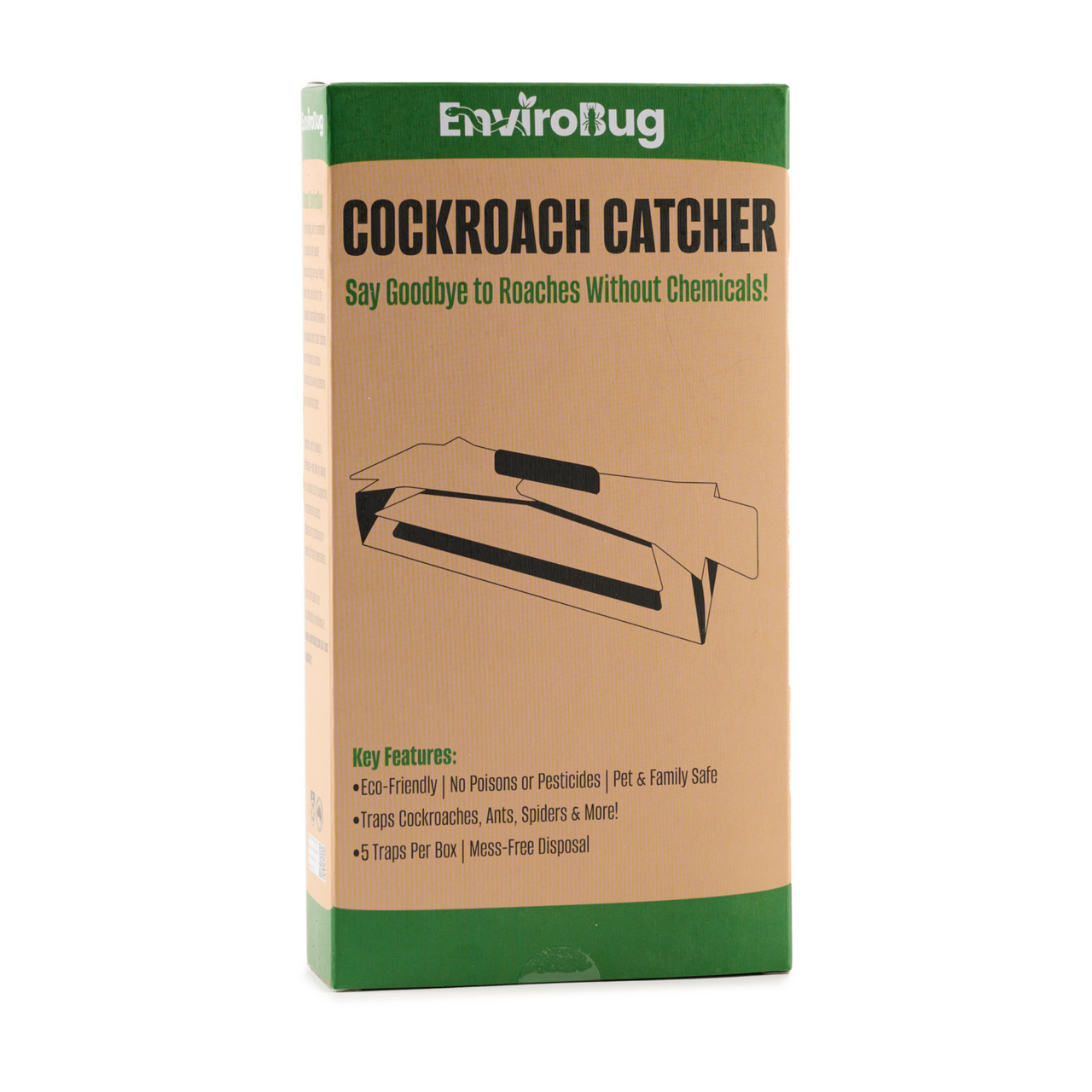
- Sticky Traps (Glue Traps): These traps use a non-toxic, sticky surface to physically capture cockroaches that wander across them. To trap cockroaches, open the trap, place it against the wall and add breadcrumbs or fruits that act as a “bait”. When cockroaches come foraging, they stick to the adhesive surface. They are excellent for identifying an infestation, locating high-activity zones, and reducing the number of foraging roaches.
- Bait Stations: These are enclosed plastic containers holding a slow-acting poisoned bait. Roaches enter, feed, and leave, carrying the toxicant back to their harbourage.
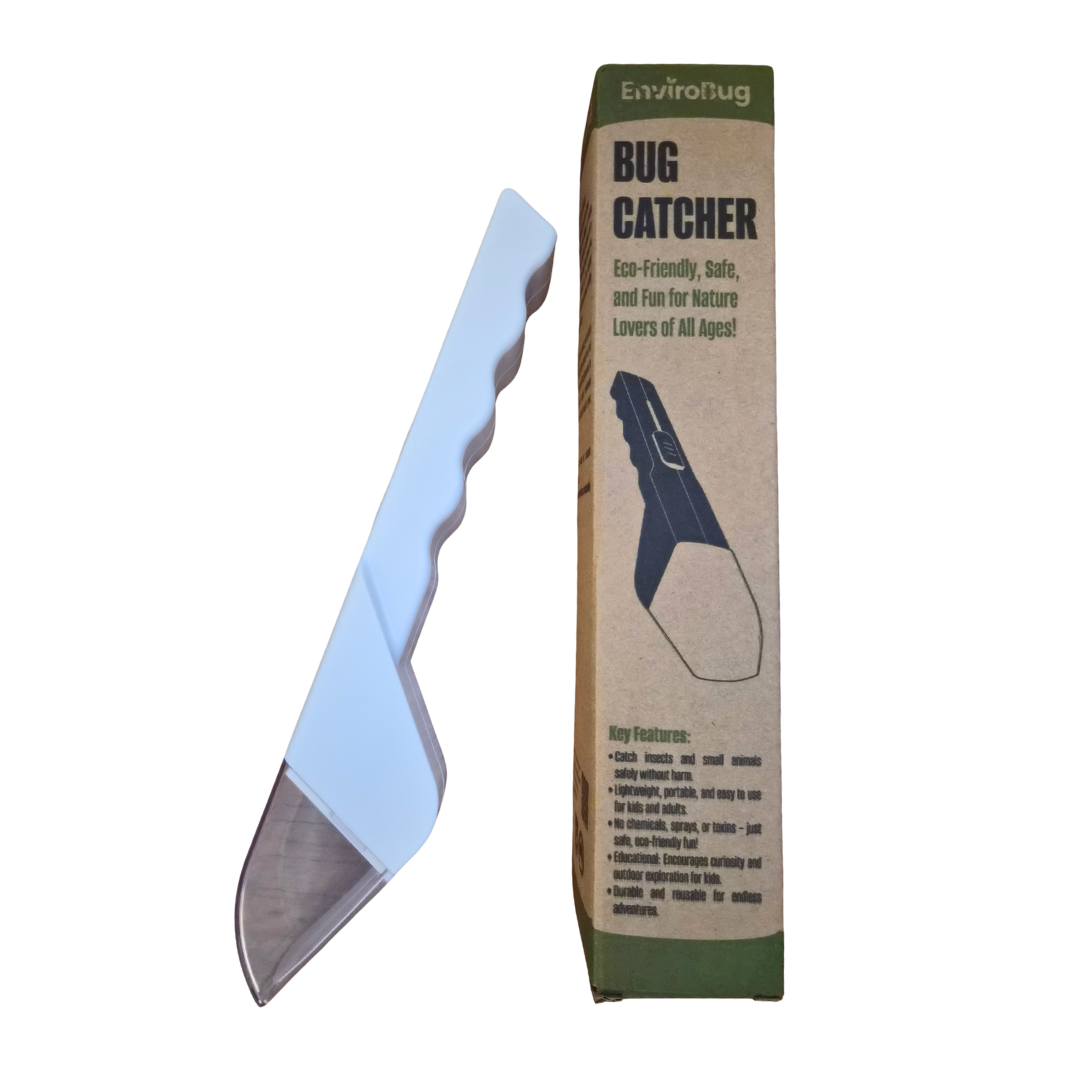
- Mechanical Traps: Some traps, like the reusable Bug Catcher, are designed to capture roaches without chemicals, making them a safe and family-friendly option.

Where to Put Cockroach Traps for Best Results
Strategic placement is critical for the success of any cockroach trapping effort. Placing traps in the wrong locations will yield poor results, no matter how effective the product is.
Where to Place Roach Traps and Why It Matters
Cockroaches prefer warm, dark, and humid environments close to food and water sources. Focus on placing traps in these "hot spots":
- Kitchen: Under sinks, behind appliances (refrigerators, dishwashers, ovens), inside cabinets and pantries, and near rubbish bins.
- Bathroom: Behind toilets, under sinks, and near drains.
- Other Areas: In basements, laundry rooms, and any cracks or crevices where they might hide.
Always place traps flush against walls or in corners, as roaches tend to travel along edges. Avoid open, well-lit areas.
Safety Considerations
- Always follow the manufacturer's instructions.
- Keep bait stations and traps out of reach of children and pets.
- Store unused traps in a safe, dry place and dispose of used ones properly by sealing them in a plastic bag before placing them in the rubbish.
Conclusion: Are Cockroach Traps Effective After All?
So, do cockroach traps actually work? The answer is a resounding yes. When chosen carefully and used correctly, sticky traps are highly effective in managing cockroach infestations at home. By understanding how they work, where to place them for maximum impact, and when to combine them with other strategies, you can successfully reclaim your home from these unwanted pests.
Ready to take control? Explore our range of electronic pest control devices for cockroaches in Australia and choose the right trap for your home today.


![Mighty Plug-in Ultrasonic Pest Repeller (Gen 2 Metro Edition) [PRE-ORDER for early Feb] - Envirobug](http://envirobug.com.au/cdn/shop/files/Envirobug_Mighty_Pest_Repeller_3_1280x.png?v=1788151885)