




![Garden Guardian 2nd Gen – Solar Powered Ultrasonic Animal Repeller - [PRE-ORDER for Mid November] - Envirobug](http://envirobug.com.au/cdn/shop/files/2026-10-13-GARDEN-GUARDIAN-2ND-GEN-06_1280x.jpg?v=1791867159)
![Fly Bio Bait Bag [PRE-ORDER] - Envirobug](http://envirobug.com.au/cdn/shop/files/BIOBAIT_IMAGE_2_1280x.jpg?v=1777465300)




Outdoor pest control is critical for those looking to spend time relaxing, socialising, or enjoying their garden space. With a range of outdoor pest control products on the market, it can be challenging to know what you need and when.
Understanding the Challenges of Outdoor Pest Control
Homeowners have several challenges when it comes to outdoor pest control. One is the need to allow beneficial creatures into a garden to ensure the health of plants. Pollinators, for example, should be attracted to the garden. However, some of the pest control solutions used in gardens can be lethal to beneficial species as well.Another is that human activity is often an attraction to outdoor pests. Food, drink, waste and general activity can attract many pests from mosquitoes to rats/mice.
Finally, the size of complexity of the area can be hard to reduce the chance to prevent access to pests. Therefore, a good Integrated Pest Management (IPM) is required to ensure effective pest control.
What Attracts Pests to Your Outdoor Spaces

There are numerous attractants to your outdoor spaces. One is food and drink, whether fresh or in the bins. Many pests such as rats, mice, wasps, and flies are attracted by human food and will attempt to access food when available.
Birds might also be attracted to some food. If you feed wild birds, the seeds from these can also attract pests including ants. Or some pests might be interested in some of the plants that you grow in the garden.
Nesting material might also attract pests. Wooden structures or wood logs for fireplaces can attract numerous pests such as termites who might eat into them and damage structures. Shelter can also be an important attractant for mice, rats, possums, and other mammals.
As humans, we might also attract some pests, like mosquitoes and other biting insects that need our blood for egg production.
And some pests might be attracted because of other pests or animals in your garden. Snakes, for example, might enter a garden because they’re hunting for mice, rats, birds, or amphibians.
Tiny Intruders with Big Consequences: The Impact of Outdoor Pests
There are numerous issues that can happen when outdoor pests are present. For one, they can contaminate food, such as vegetables grown in the garden. Or they can completely destroy your backyard harvest.Another issue is destruction of property. Termites, mice, rats, ants and others can gnaw and eat wood which can then become useless. Some of these pests can chew on wooden structures making them unsafe to live in or use.
Outdoor pests can also spread disease, either through direct contact with surfaces that we touch or through close proximity. Some, like mosquitoes, can cause illness from biting us.
Outdoor Pest Control Solutions That Work
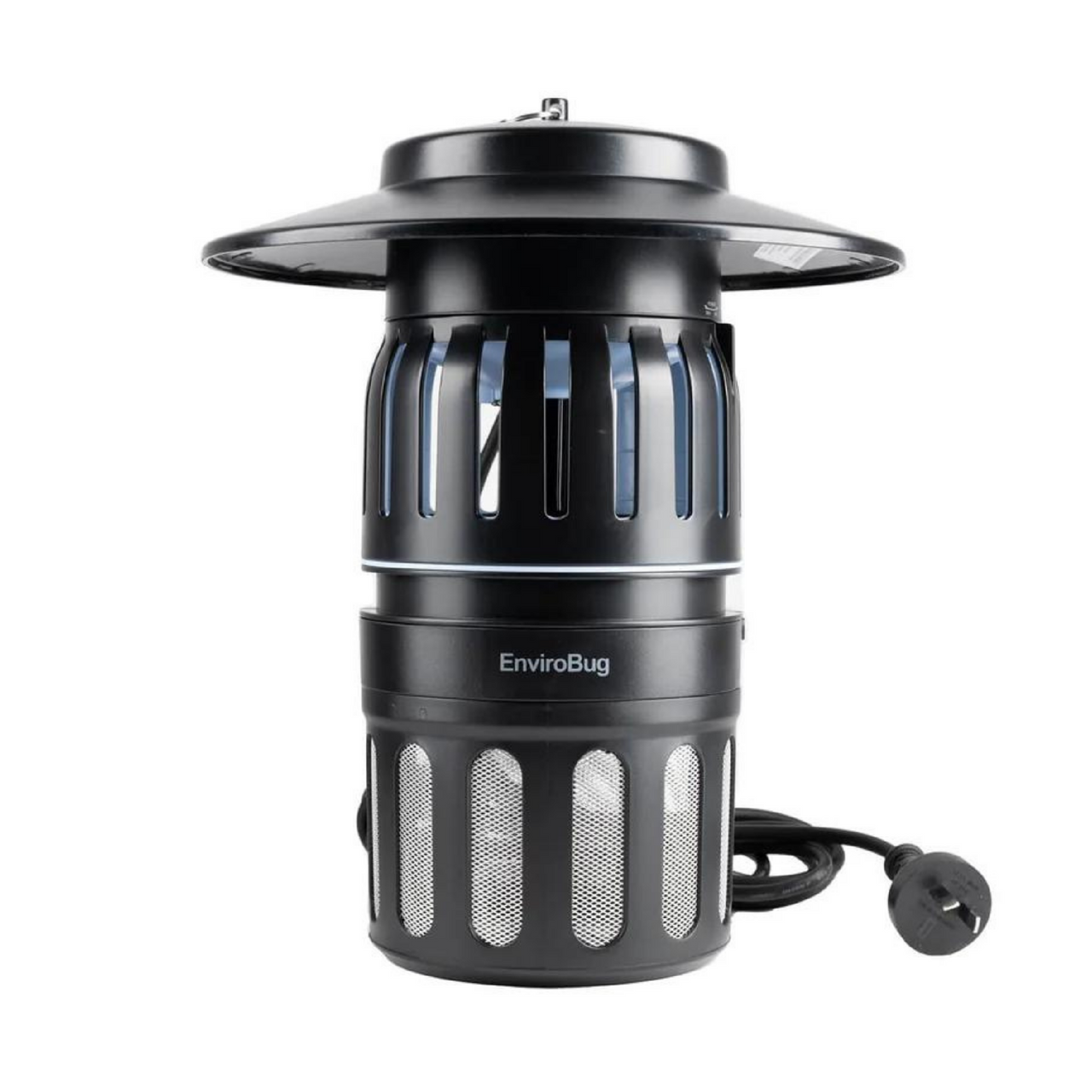
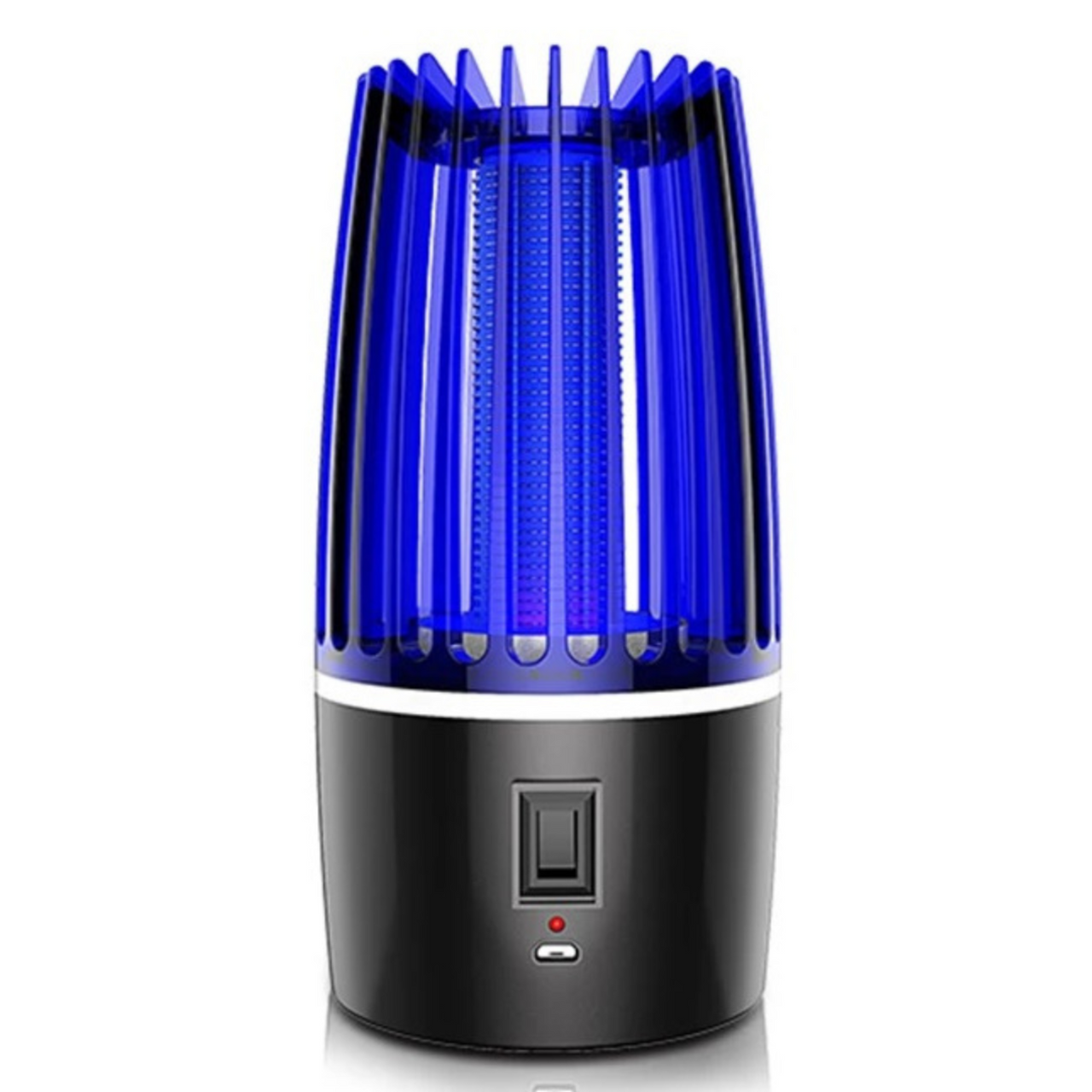
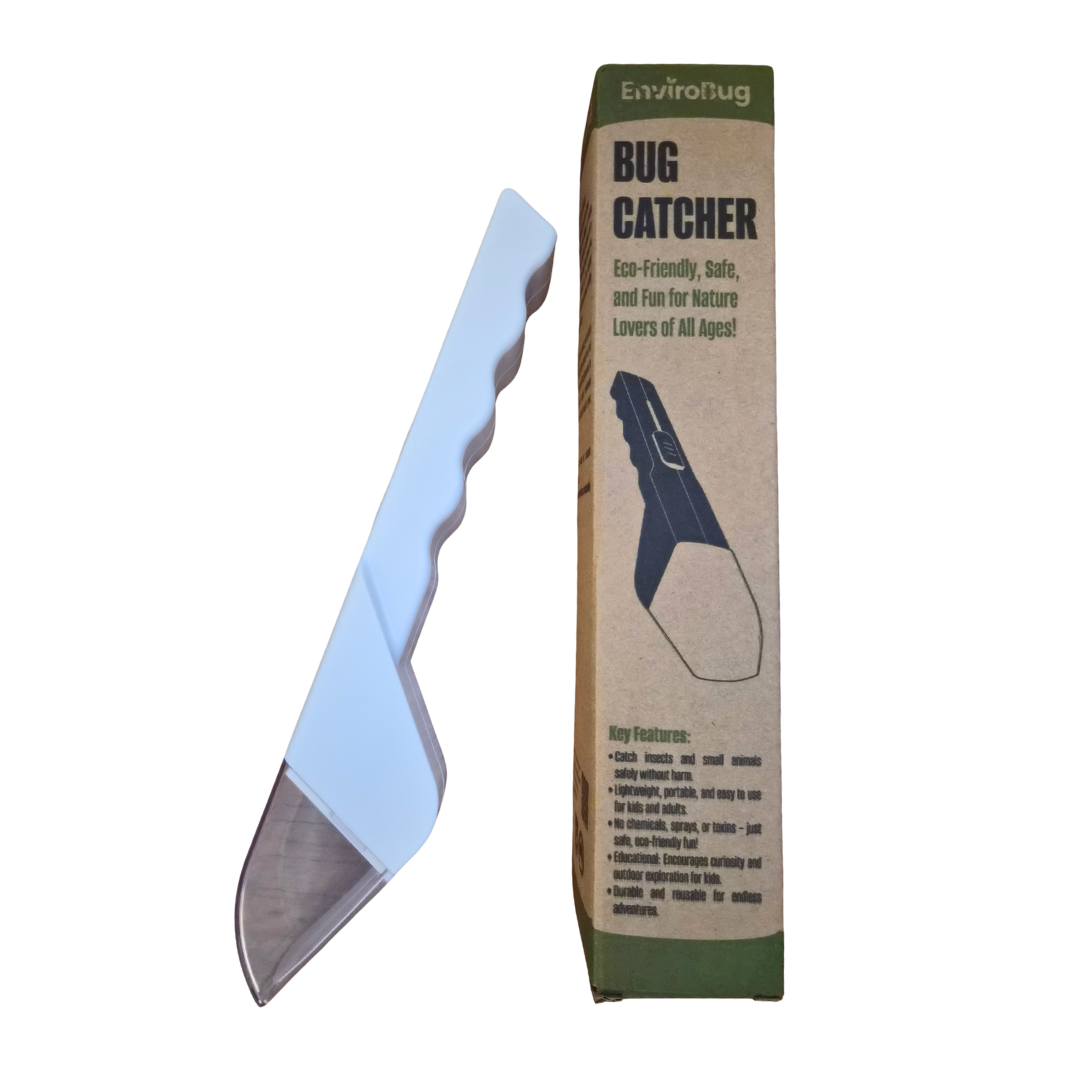
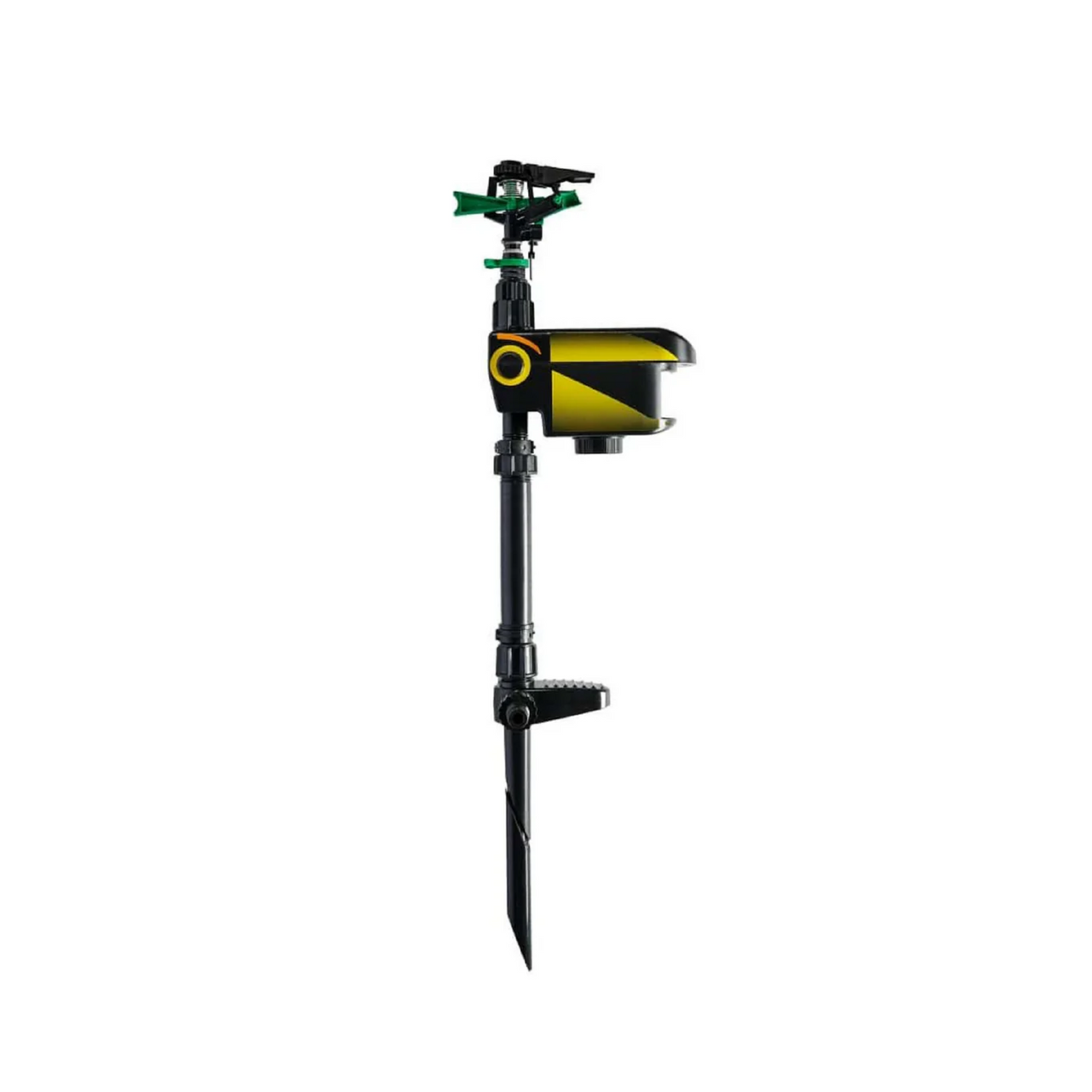
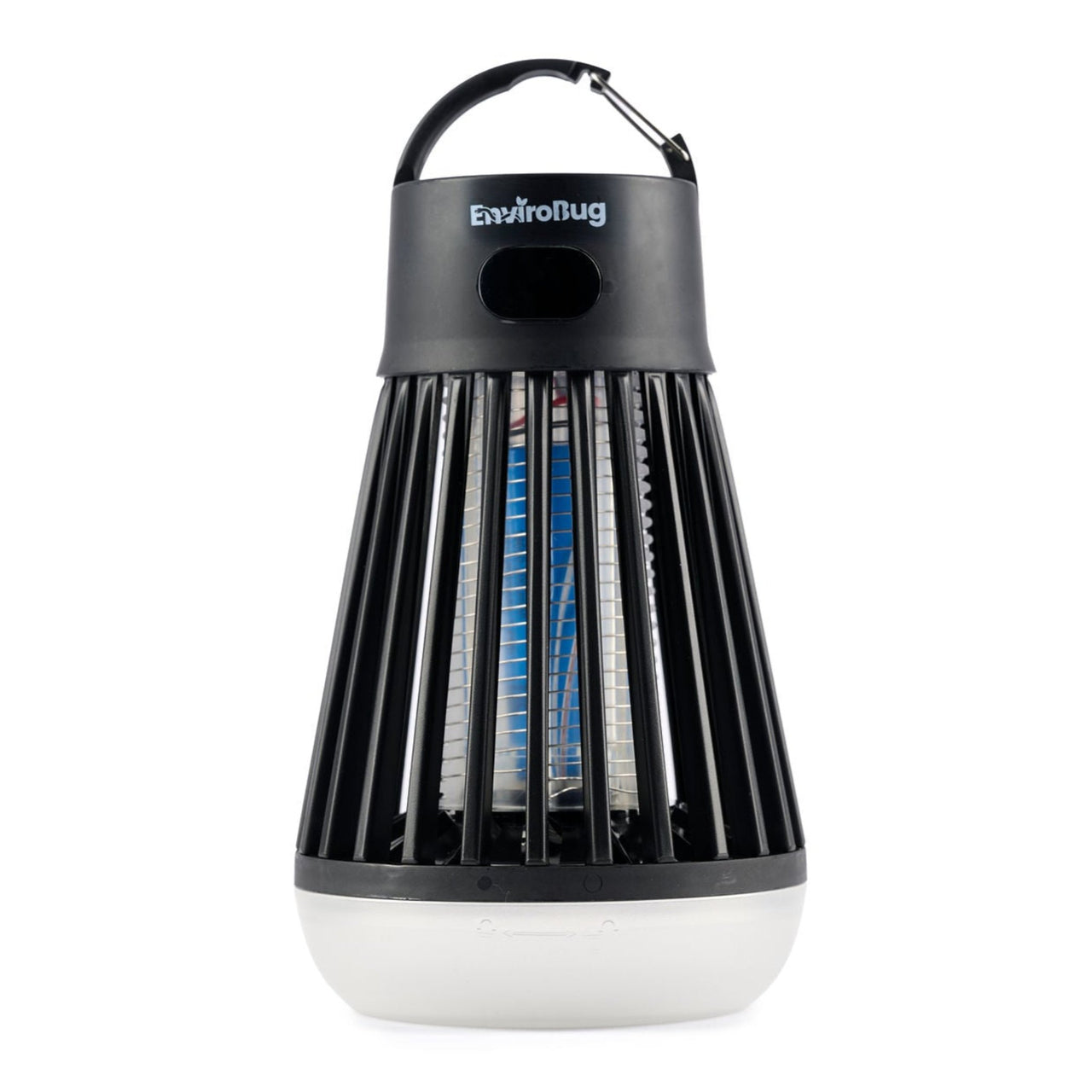
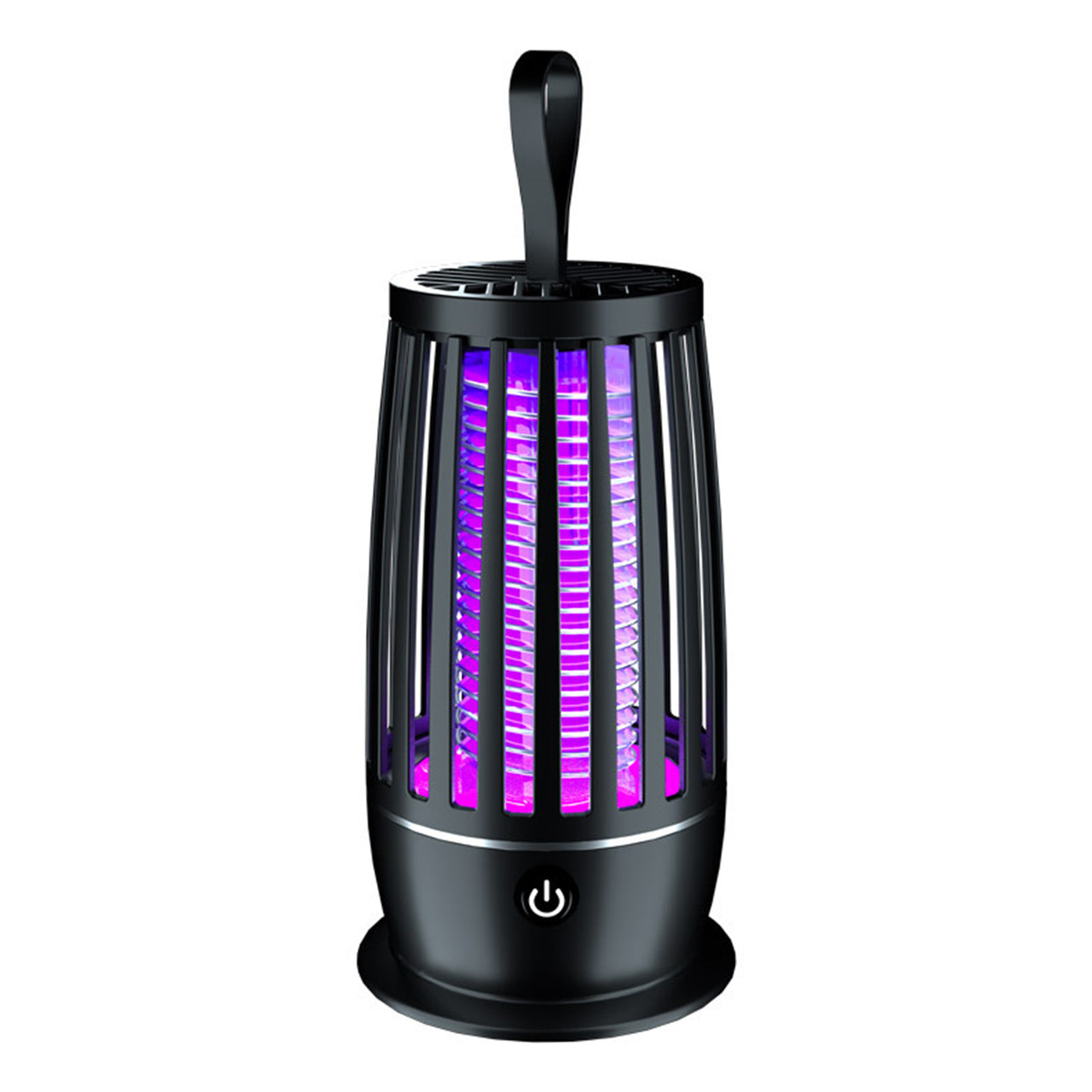
There are numerous electronic pest control devices that can be used to control outdoor pests in an area. Some of these, such as a bug zapper, can kill mosquitoes and other flying insects. Others can emit a sound that can deter pests.
Best Option for Outdoor Ultrasonic Pest Control
One of the best options for outdoor pest control is the ultrasonic pest control devices available at EnviroBug. Our devices emit a sound that annoys pests and deters them from an area. The ultrasound is too low to be heard or sensed by humans, so families stay safe. It can also be used all the time, preventing breaks in coverage.The Limitations of Traditional Outdoor Pest Control Methods
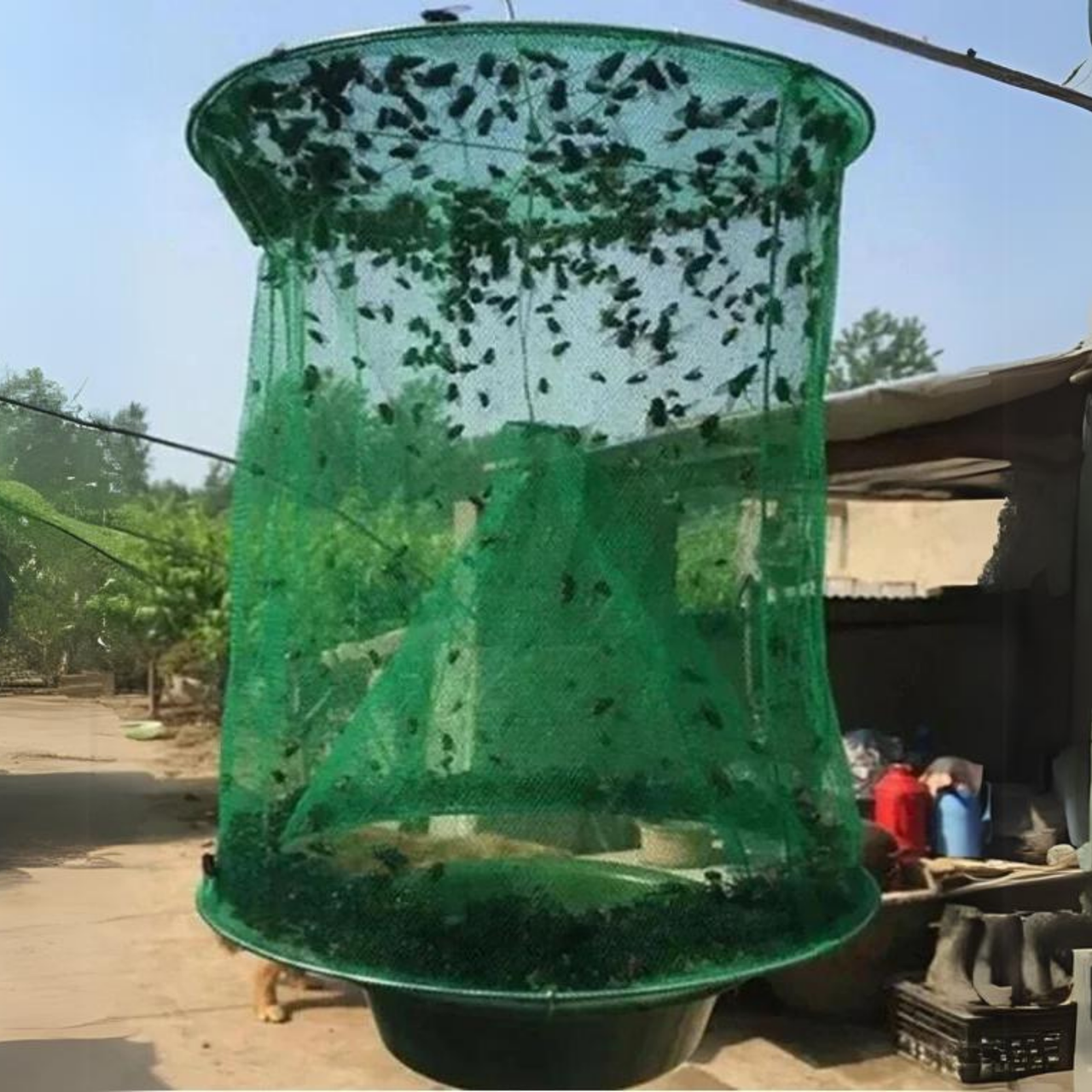
There are several limitations of traditional outdoor pest control methods. One of these is the ability to protect large areas. Sprays and sticky traps can be used in conjunction with other pest control methods, but they tend to have a limited range, so unless you’ve got a small area or willing to spread out several of these traps, protecting an area is too complex.Another problem is that insecticide is now becoming less effective. Many pest bugs are learning to adapt and therefore are not suffering ill effects from the compounds. However, other species are. And EnviroBug have a strong preference to not harming creatures unless it is absolutely necessary.
Finally, many of the traditional outdoor pest control methods don’t last long. Reapplication of deterrents might have to be done on a daily or weekly basis, whereas other control methods can be done on a monthly basis.