
Australia’s unique wildlife is one of its greatest treasures - but it’s also incredibly vulnerable to human activity. One often overlooked threat is secondary poisoning, a hidden consequence of common pest control methods used in homes and gardens. While products like rat poison or insecticides may seem like quick fixes, their ripple effects can harm far more than the intended target. Understanding these risks is the first step toward safer, wildlife-friendly pest management.
What is Secondary Poisoning?
Secondary poisoning occurs when a non-target animal is harmed after consuming a poisoned animal. For example, a bird of prey may eat a rodent that has ingested rat poison, leading to toxic exposure in the predator. Unlike direct poisoning, this process is indirect and often invisible until damage has already been done. The effects on Australian native animals have been ignored and unmeasured until just recently.
Agents That Cause Secondary Poisoning
Insecticides
Insecticides are widely used in gardens and homes to control pests. However, insects exposed to these chemicals can become toxic meals for birds, reptiles, and amphibians.
Rodenticides
Rodenticides (rat poison) are among the most significant contributors to secondary poisoning. SGARs (Second-generation Anti-coagulent Rodenticides) take around 7 days to kill rodents. In the meantime, mice and rats come back to feed on the bait, consuming far more than the deadly dose, while also allowing rodents to roam before dying - making them easy (and toxic) prey for other animals.
Molluscicides (snail bait)
Used to control snails and slugs, molluscicides can poison animals that feed on these invertebrates, including birds and small mammals. They are also extremely dangerous for pets to ingest.
🐾Alex’s Field Notes — From Our Zoologist
Mechanism of Secondary Poisoning
The process unfolds in stages:
-
A pest consumes poison (e.g., rat bait).
-
The toxin accumulates in its body.
-
A predator or scavenger consumes the poisoned animal.
-
The toxin transfers and may build up to harmful or lethal levels.
Because the half life of rat bait is up to 130 days, toxic levels of the poison persist in the liver of the rodent - which is then consumed by a predator. This affects multiple levels of the food chain - a phenomenon known as bioaccumulation.
Who is At Risk of Secondary Poisoning?
Mammals
Native carnivores such as quolls, dingoes and even Tassie Devils can ingest poisoned prey.
Birds
Birds of prey—such as owls and raptors—are particularly vulnerable due to their diet of rodents.
Reptiles
Lizards and snakes may consume poisoned insects or rodents, exposing them to harmful toxins.
Amphibians
Frogs can absorb chemicals through their skin or ingest contaminated prey.
Pets
Domestic animals like cats and dogs are also at risk, either by eating poisoned bait or affected animals.
Why You Should Care About Secondary Poisoning
Secondary poisoning doesn’t just harm individual animals—it disrupts entire ecosystems. Predators play a vital role in maintaining balance, especially in controlling rodent populations naturally. Ironically, using rat poison can lead to more pest problems by removing these natural regulators.
There’s also an ethical dimension. Many Australians value humane treatment of animals and the preservation of native species. Choosing safer pest control methods aligns with these values while protecting your household.
APVMA Ban on Rodenticides
The Australian Pesticides and Veterinary Medicines Authority (APVMA) has taken steps to address these risks by reviewing and restricting certain rodenticides. Some second-generation anticoagulant rodenticides have been identified as posing an “unacceptable risk” to wildlife due to their persistence and toxicity.
While not all products are banned, the direction is clear: safer alternatives are the only way forward.
Say No to Poisons: Wildlife-friendly Pest Management Options
Eco-friendly Rodent Management
Modern rodent control solutions offer effective alternatives without relying on toxins:
Humane Mice Traps
Designed to capture rodents without killing them, these traps are ideal for households that prioritise humane solutions.
Ideal for: Indoor use, families with pets, and eco-conscious homeowners.

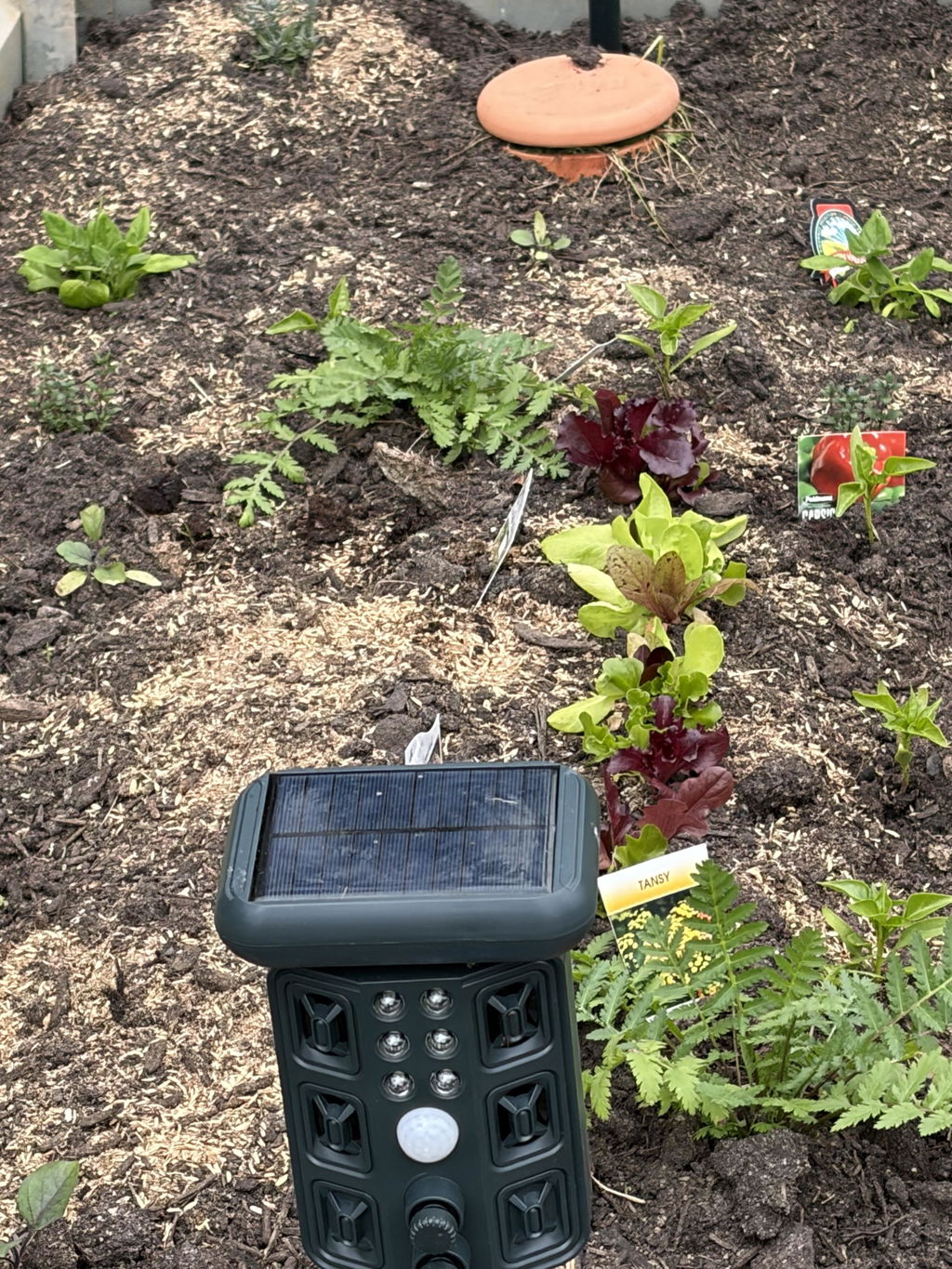
Wireless Ultrasonic Repellers
These devices emit ultrasonic frequencies that deter rodents without affecting humans or pets.
Ideal for: Continuous, low-maintenance rodent control in homes and garages.

Professional Rat Trapper Services
A skilled rat trapper can assess infestations and implement targeted, non-toxic strategies.
Ideal for: Severe infestations or complex environments.
No Toxin Snail Defense
Copper Tape
A simple yet effective pest repellent, copper tape creates a mild electric reaction that deters snails and slugs.
Ideal for: Garden beds, pots, and raised planters.

Choose Tree Nets Over Insecticides
Protecting fruit trees doesn’t have to involve harmful sprays:
-
Fine Mesh Fruit Nets
Prevent insects and birds from accessing fruit.
-
Heavy-Duty Drawstring Nets
Offer durability and protection against larger animals.
-
Drape Nets
Easy to install and remove, suitable for seasonal use.
Ideal for: Gardeners looking to protect crops without harming wildlife.
Small Steps to Keep Australia’s Wildlife Safe
Reducing secondary poisoning starts with small, intentional choices. Opt for non-toxic rodent control, invest in a reliable pest deterrent device, and rethink the use of chemical solutions in your home and garden. Each step helps protect not only your immediate environment but also the broader ecosystem.
Australia’s wildlife depends on the decisions we make every day. By choosing safer alternatives, you’re not just managing pests—you’re contributing to a healthier, more balanced natural world.


![Mighty Plug-in Ultrasonic Pest Repeller (Gen 2 Metro Edition) [PRE-ORDER for early Feb] - Envirobug](http://envirobug.com.au/cdn/shop/files/Envirobug_Mighty_Pest_Repeller_3_1280x.png?v=1788151885)