
Australia has one of the most diversified snake populations in the world. Many of these snakes stay small for their whole lives. Small snakes, which are usually between 30 and 70 cm long, can be found in gardens, sheds and bushes all throughout the country. Even though they may seem less deadly because of their size, looks can be deceiving. Some of the most poisonous snake species in Australia are surprisingly little.
To keep your family, pets and property safe, you need to be able to discern the difference between poisonous and nonpoisonous snakes. Small snakes are also useful to the environment because they keep pests like mice and insects in check. Not every time you see one needs to end in fear.
In this article, we discuss some of the poisonous snake species commonly found in Australia, as well as what to do if you encounter one near your home.
Key Facts At A Glance
| Snake Group | Typical Adult Size | Common Species | Venomous/Non-Venomous | Human Risk | Habitat |
|
Elapids (venomous snakes) |
40–70 cm (some species can be longer) | Eastern Small-eyed Snake, Red-naped Snake, Curl Snake | Venomous | Moderate–high, bites require medical care | Eastern & inland Australia |
| Whip Snakes | 60–100 cm | Yellow-faced Whip Snake | Venomous (mild) | Low–moderate, painful bite but rarely life-threatening | Widespread across Australia |
| Crowned Snakes | 30–40 cm | Golden Crowned, Dwarf Crowned | Mildly venomous | Low, rarely a medical concern | Eastern Australia |
| Blind Snakes | 20–40 cm | Worm-like blind snakes | Non-Venomous | None | Across Australia, often in soil & gardens |
How to Recognise Small Snakes In Australia
Here are some features to consider if you spot a small snake:
- Shape of the head: Many poisonous snakes have heads that are narrow and blend in with their bodies. This is different from the triangular heads that non-poisonous snakes commonly have.
- Colour and patterns: Look for bands of colour, distinguishing markings on the head or black scales that shine.
- Eyes: Some snakes, like the Eastern Small-eyed Snake, have markedly smaller eyes.
- Behaviour: When disturbed, venomous snakes may flatten their bodies, retaliate or move rapidly.
Just because something is big doesn't mean it's dangerous. Even a little snake can bite you and poison you, so be careful with snakes you don't know.
Venomous Small Snakes in Australia
Eastern Small-eyed Snake (Cryptophis nigrescens)
This thin, shiny black snake can grow as long as 50 cm and is often seen throughout the east coast from Queensland to Victoria. The little eyes that give it its name are what make it stand out in nature. Eastern Small-eyed Snakes like to live in wet places like gardens, woodlands, and places with a lot of ground cover.
Their bite isn't as harmful right away as that of certain bigger elapids, but it can make you quite sick, with symptoms that are not visible for a while and impair your muscles and kidneys. If you get bitten, you need to see a doctor right away. People often mistake them for harmless black snakes in their homes and gardens, which makes it more likely that they may accidentally touch them.
If you see one, back away gently and don't touch the snake. If you leave them alone, they will usually go away.

Red-naped Snake (Furina diadema)
The Red-naped Snake is a short, thin snake that is usually no longer than 40 cm. You can tell it apart by its shiny brown body and the red or orange mark on the back of its neck. Victoria, NSW, Queensland, South Australia and also the Northern Territory are a common habitat of this snake. The red-naped snake is also found in nearly 18 National Parks in Queensland. It prefers dry places and often hides under rocks, logs, or old tin.
Red-naped snake bites are poisonous, but usually not lethal. Symptoms may include localised pain at the site of bite, headache, or nausea. Anyone who experiences similar symptoms should seek medical care right away.
Homeowners may only see the Red-naped Snake at night or when they are moving things outside because it is nocturnal and secretive. The safest thing to do is to avoid them.

Yellow-faced Whip Snake (Demansia psammophis)
This thin snake is about 60 cm long and is one of the most common snakes in mainland Australia. The body is olive to grey-brown, and there is a yellow or cream stripe across the face and a dark line in the eye.
With a yellow face, Whip snakes move quickly and are always on the lookout. Their bites hurt but are usually not deadly, therefore they are minimally venomous.
You can often find them in open woodlands, rocky regions, and even suburban gardens, where they help keep little lizards in check.

Curl Snake (Suta suta)
The Curl Snake is a heavily built snake measuring up to 60 cm. They are found in all states in Australia, except for Tasmania. It has a body that is grey to brown and a head that is darker than the rest of its body. The curl snake gets its name from the way it protects itself by curling its body into a tight coil when it feels threatened.
Grasslands, scrublands, and open woodlands are common habitats for curl snakes. They also inhabit old burrows, soil cracks and under leaf litter. Curl snake venom can cause severe neurotoxicity, especially in small children.

Other Lesser-Known Venomous Small Snakes
In addition to the species above, several other small elapids can be encountered, including:
Bandy-Bandy Snake (Vermicella annulata) – Recognisable by its striking black-and-white bands.
Little Whip Snake (Suta flagellum) – An endemic species found in southeastern Australia. Their small venom dosage makes bites non-fatal although bites can be painful.
While bites from these snakes are less likely to be fatal, they still require immediate first aid and medical attention.
Non-Venomous Small Snakes in Australia
Southern Dwarf Crowned Snake (Cacophis krefftii)
This little, harmless snake can grow to be about 34.5 cm long and lives along the coast of Queensland and New South Wales. The body is dark, and the nape bears a narrow yellow band. Even though it is somewhat venomous, it is not dangerous to people.

Golden Crowned Snake (Cacophis squamulosus)
This species inhabits mostly New South Wales (including Sydney) and Queensland, and can grow to be 50 - 75 cm long. These snakes prefer to live in deep forests and sandstone areas. The snake is dark brown with a brassy yellow stripe that runs across the snout.
This snake is venomous; however, it is not thought to be dangerous.

Blind Snakes (Family Typhlopidae)
People often mistake Blind Snakes for worms. Blind snakes can grow up to 70 cm and are pink to dark brown in colour. Unlike other snakes, Blind Snakes do not have broad scales on their belly. Rather, they have smooth scales around their bodies. Blind snakes eat ants and termites for most of their lives and live near ant and termite habitats. Blind Snakes are non-venomous, and usually harmless.

Safety Tips When Encountering Small Snakes
- Stay calm – sudden movements can provoke snakes.
- Keep your distance – at least several metres away.
- Do not attempt handling – even small snakes can bite.
- Call local wildlife rescue – trained handlers can relocate snakes safely.
Ecological Role of Small Snakes in Australia
Small snakes, both venomous and non-venomous, are crucial for keeping the ecosystem in balance. Snakes are middle-order predators that live on a diet of rodents, insects, and small reptiles, acting as a natural regulator of their populations. Snakes also play a role in nutrient cycling as well as seed dispersion.
Preventing Snakes Around Your Home
To make your property less attractive to snakes:
- Keep gardens tidy and free of long grass.
- Remove piles of wood, tin, or debris where snakes may hide.
- Seal gaps around sheds, garages, and house foundations.
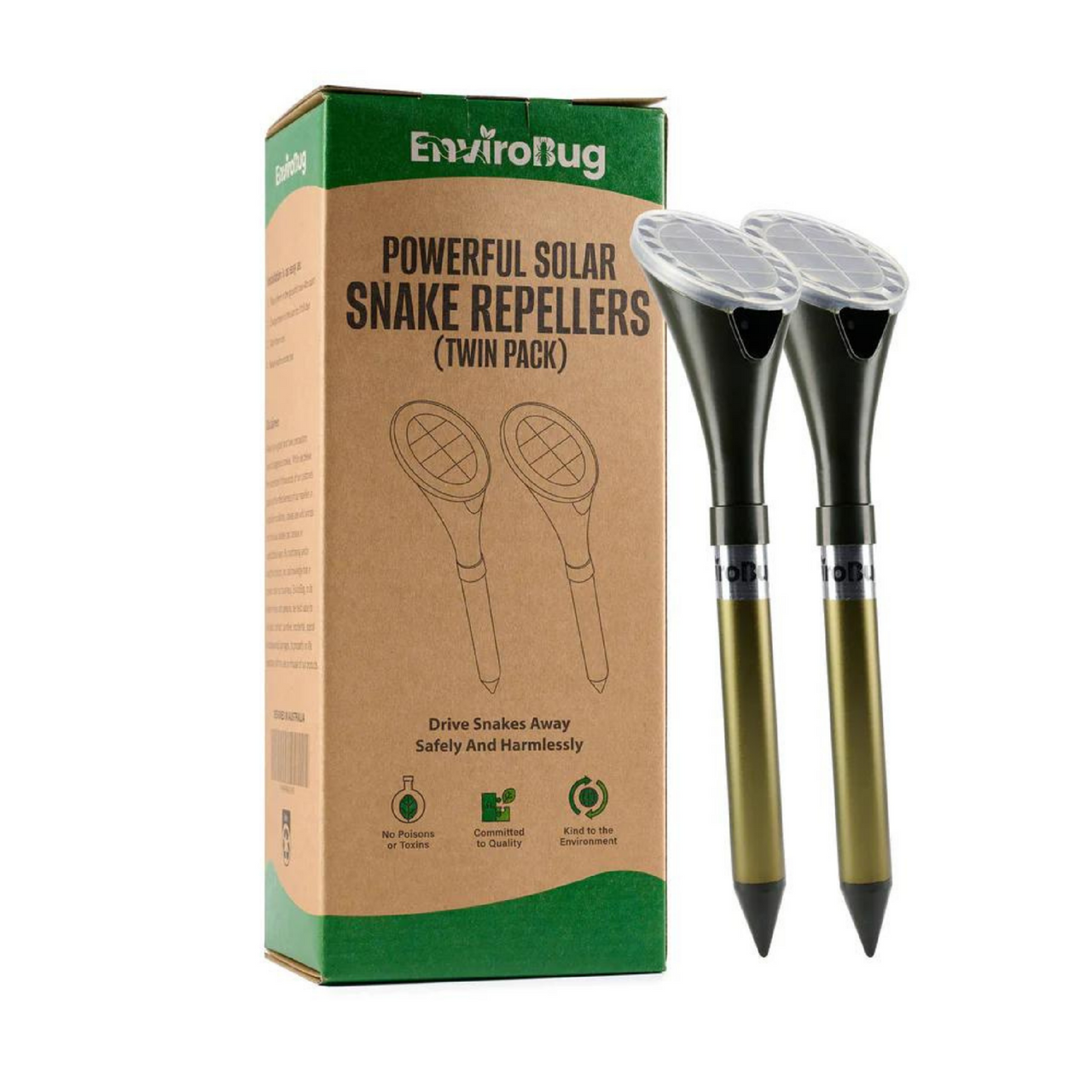
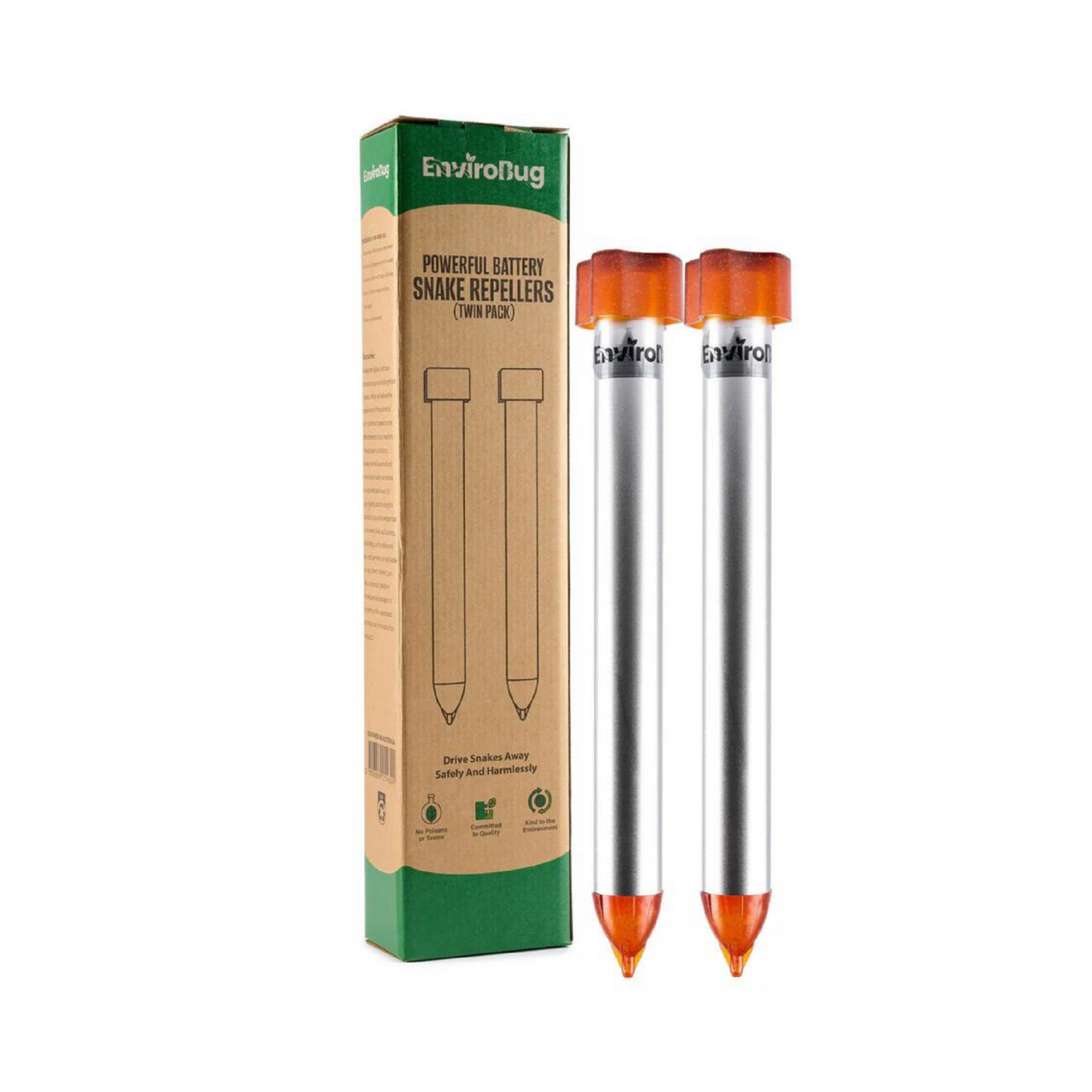
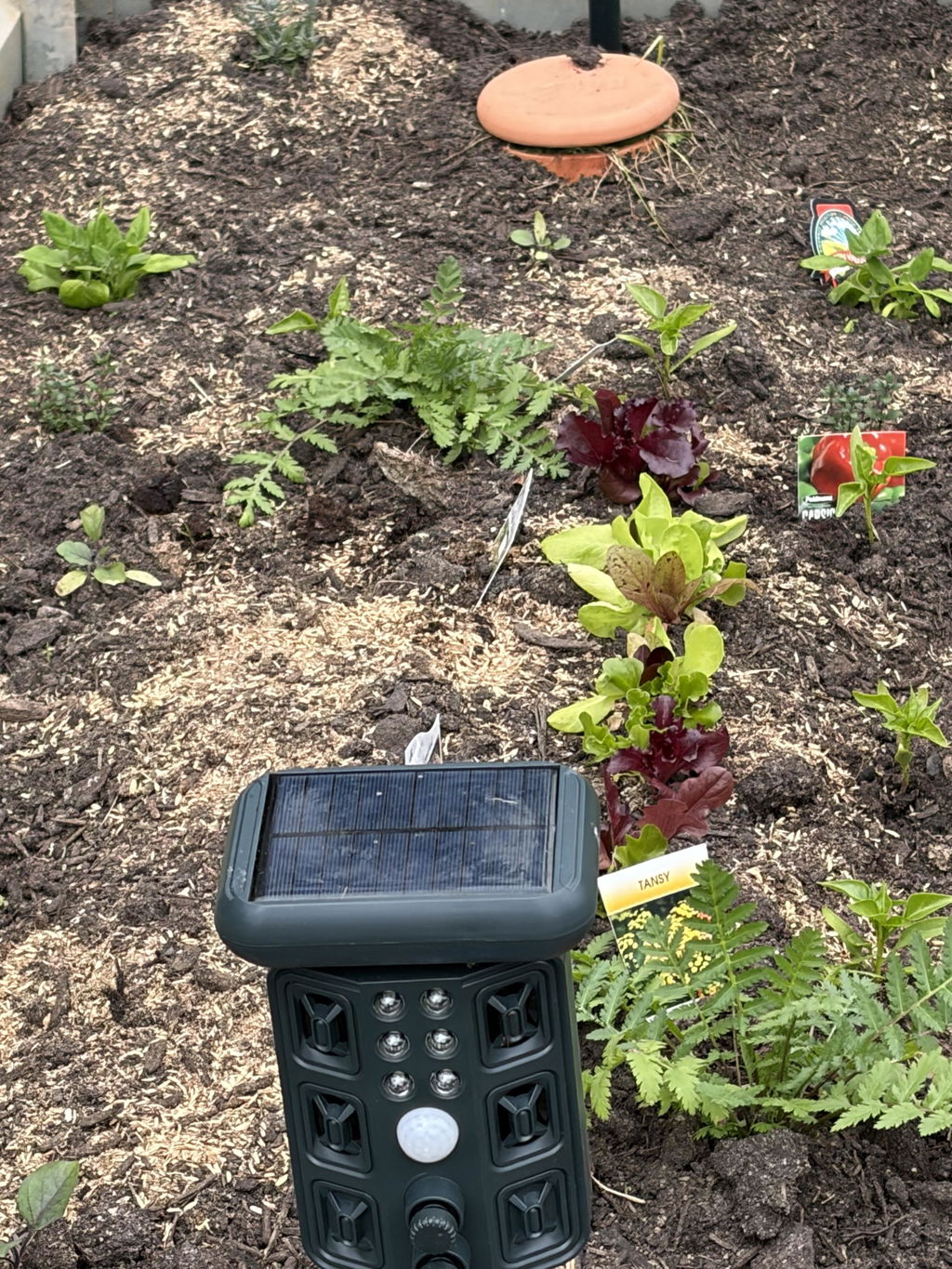
- Install snake repellers in your property that repel snakes using vibrations.
- Keep pet food indoors to avoid attracting rodents.
- Ensure compost bins are secure.
- Install fine mesh fencing if living near bushland.

What to Remember About Small Australian Snakes
There are both poisonous and non-poisonous small snakes in Australia, and many of them live near homes and gardens. Some species can bite and hurt you, but others are safe and helpful.
Remember that snakes will attempt to bite you only when they feel threatened. So, when you spot a snake, a general rule of thumb is to keep your distance. You may live safely next to these interesting reptiles if you appreciate their role in the ecosystem and use environment safe methods to prevent them from entering your property.