
For those who love to spend hours in their garden, a common sight might be wasps. These vital pollinators of our gardens are a lovely sign that our ecosystems are thriving. However, they’re also vital for some plants, orchids, for instance, can be completely reliant on wasps for pollinators. But that doesn’t mean that you want them in your garden all the time, or that they’re not causing some damage. Therefore, in this article, we talk about how to remove wasps.
Wasp Identification Australia
There are lots of types of wasps in Australia. However, there are certainly five species that you’re more likely to come across. Here are five species that you should look out for.
European (or German) Wasp (Vespula germanica)
One of the most common and aggressive wasps in Australia, this introduced wasp can be easily identified through their colour and size. They reach sizes of between 12 and 20 mm and are bright yellow with black stripes across their abdomen.
They’re typically found in urban areas, parks, picnic spots, and gardens. They can sting multiple times and the stings can be very painful with symptoms ranging from intense pain to redness and swelling.
Paper Wasp (Polistes spp.)
This variety of wasps can be found across Australia. They can be identified by their slender body with long, dangling legs. There are numerous colours that they can display which include a mixture of brown, red, and black. They are similar in size to the European Wasp. There are three types of paper wasp that might be found in Australia which include native, Asian, and European species.
These wasps are considered to be non-aggressive and tend not to sting. However, they will defend themselves and sting multiple times. While their sting is painful, it is not normally dangerous unless you’re allergic.
Australian Native Paper Wasp (Polistes humilis)
This wasp is slightly larger than others already mentioned on the list, reaching lengths of up to 25mm. They are typically reddish-brown to black and have yellow/orange marketing. Their name comes from their papery nests, they usually make these on trees or man-made structures.
They rarely sting as they’re not aggressive. But it can be painful.
Mud Dauber Wasp (Sceliphron spp.)
Mud dauber wasps are a solitary species that will construct nests from mud. They’re relatively long, slender insects that are black/brown in colour. They can be found throughout Australia, which includes urban and rural areas. They can often be found around fences, gardens, buildings, and on farms.
They are a non-aggressive species and will rarely sting unless you threaten them. They are a highly beneficial species because they hunt spiders, which they use to feed their broods.
Sand Wasps
A group of wasps that cover a wide number of species in Australia. Sand wasps can be found across the world. They are a diverse group that has evolved to fill in numerous ecological niches, which makes them hard to identify at times. They are yellow and black or white and black. They also have a pale green banded pattern.
This is another solitary nesting wasp. They build nests in sandy soil which can be numerous habitats including woods, urban areas, and near beaches. They aren’t as aggressive as European wasps but will attack if their nest is disturbed. Their sting can be very painful.
What to Do if a Wasp Stings
If you do disturb a wasp, you’re likely to get stung. The sting can be very painful and if you’re allergic can be very dangerous, and might require hospital treatment. You mustn’t ignore a wasp sting.
How to Treat a Wasp Sting
If you are stung there is a set treatment plan you can do to ensure that the sting has a minimum impact on you.
The first thing that you need to do is to wash the area thoroughly with soap and water. Then you should apply a cold/ice pack to the affected area. Ensure that you wrap a thin cloth to ensure the cold is not in direct contact with the skin. The cold pack should help to reduce swelling and pain.
The cold pack should be applied for 10 minutes at a time, with a 10-minute break, for up to one hour.
If you’re stung on the arm or leg, then you should raise the area to reduce swelling further.
If you feel unwell, like nausea, seek medical attention immediately.
How Can I Get Rid of Wasps
If you’re thinking about how to remove wasps from an area, there are a few solutions for you. Here are some of the common solutions that you might want to try.
Don’t Leave Food Unattended
Wasps are often attracted to our food, especially sweet foods like sugar. If you’re having a picnic or BBQ, then they can often be attracted to the food. Ensuring you don’t leave food unattended can prevent wasps from landing on the food and spreading disease.
Ensure That Bins are Closed
Bins are another attraction for wasps. They will buzz around the bins and if disturbed can cause stings. European wasps are often found around bins and if you open the bin when they’re around, they might see this as a threat. So ensure all bins are closed to prevent them from detecting the food that is left in bins.
Use a Screen
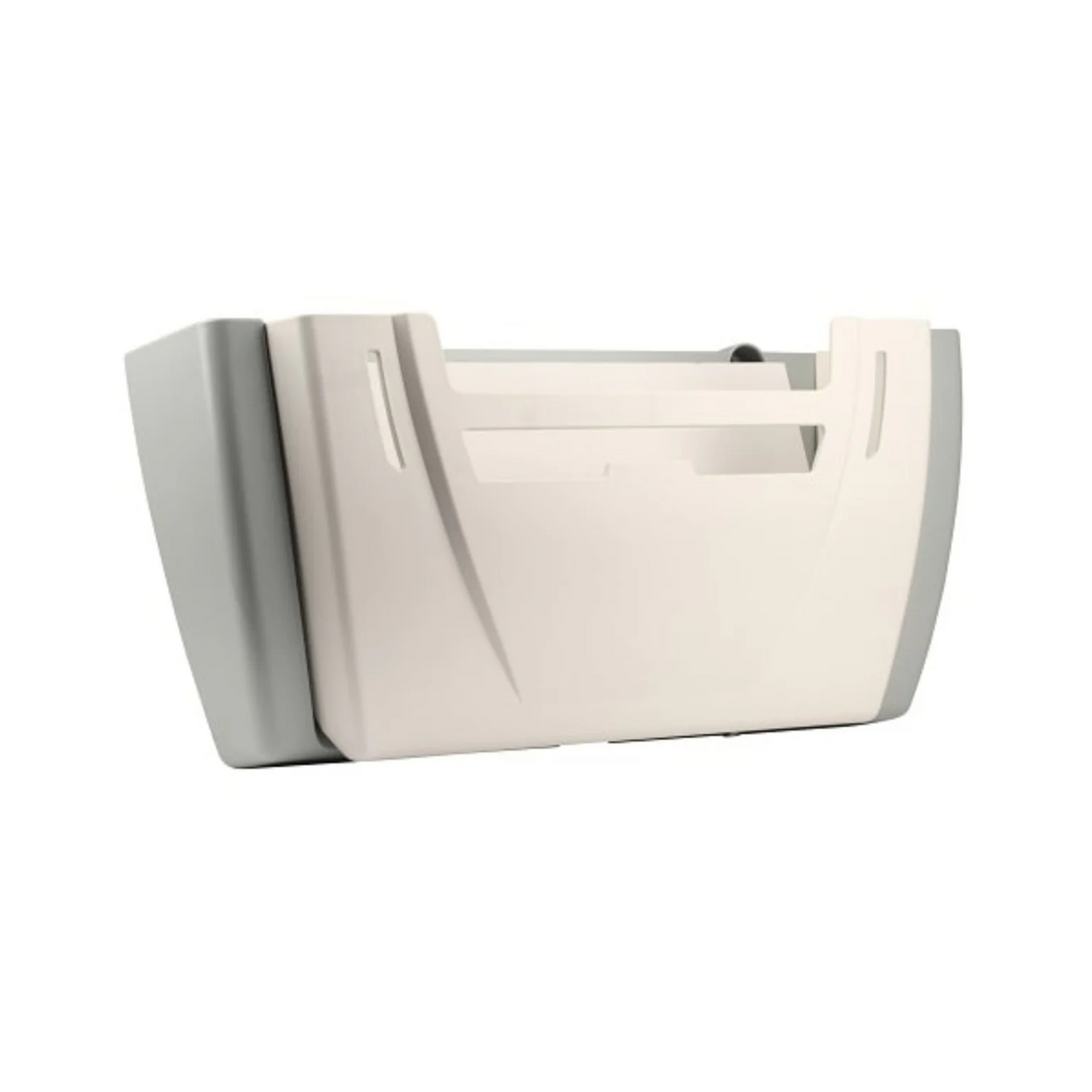
To keep wasps from entering your home, installing a magnetic screen on your porch or back door can be a practical solution. Magnetic screens provide a secure barrier that keeps insects out while allowing fresh air to circulate freely. These screens are easy to install and offer hands-free convenience, making them ideal for households with children or pets who frequently move in and out.
Compost in Enclosed Containers
Another location frequented by wasps is close to compost containers. There is often plenty of food around these locations, especially for those that compost fruits or for wasps that prey on other animals, like spiders. Therefore, to reduce the chance of being stung by another animal, be sure that you are composting in a closed bin.
Keep Gardens Trimmed
An untidy garden is a great habitat for many species of wasps. Keeping the lawn cut and bushes/trees trimmed can deter wasps from the garden.
Inspect the Garden
If you want to get rid of wasps in your garden, you need to know where they are. So do regular inspections of the garden, focusing on outbuildings and hidden crevices in the home to ensure that you don’t have a nest in your garden.
Contact a Pest Controller
A pest controller can find your wasp infestation and nests and let you know the best way to get rid of wasps in your garden. They’re also professionals, who will avoid getting stung by the insects.
How Do You Get Rid of Wasps Naturally?
If you prefer eco-friendly methods, there are several natural ways to deter wasps without chemicals. One effective solution is using essential oils like peppermint, clove, or lemongrass. Simply mix these oils with water and spray the areas where wasps are active. Wasps dislike strong scents and may avoid areas treated with these oils.
Another natural deterrent is creating a decoy nest. Wasps are territorial and tend to avoid areas with existing nests. Hanging a paper lantern or a fake wasp nest in your garden can trick them into staying away.
Additionally, planting wasp-repelling plants such as mint, thyme, and eucalyptus around your garden can help keep them at bay. Reducing standing water sources and covering sugary drinks and fruits will further minimise their presence. These natural methods are safe for children, pets, and other beneficial insects in your garden.
Can Pest Control Get Rid of Wasps?
Yes, pest control services are an effective way to eliminate wasps, particularly when nests are located in difficult or high-risk areas. Pest controllers use specialised tools and insecticides to remove nests safely, reducing the risk of stings and ensuring complete eradication. Many pest control companies now offer eco-friendly solutions that are safer for the environment and minimise risks to pets and beneficial insects.
Additionally, some pest controllers use Integrated Pest Management (IPM) techniques, which focus on preventive measures such as sealing entry points and reducing food sources to stop wasps from returning. This strategy ensures long-term results without over-reliance on chemicals.
For those who prefer a do-it-yourself approach, natural traps using non-toxic baits or sticky surfaces are available.
How to Get Rid of Wasps Outside
Managing wasps in outdoor spaces requires a mix of prevention, natural remedies, and, if needed, professional help. Here are some practical steps:
-
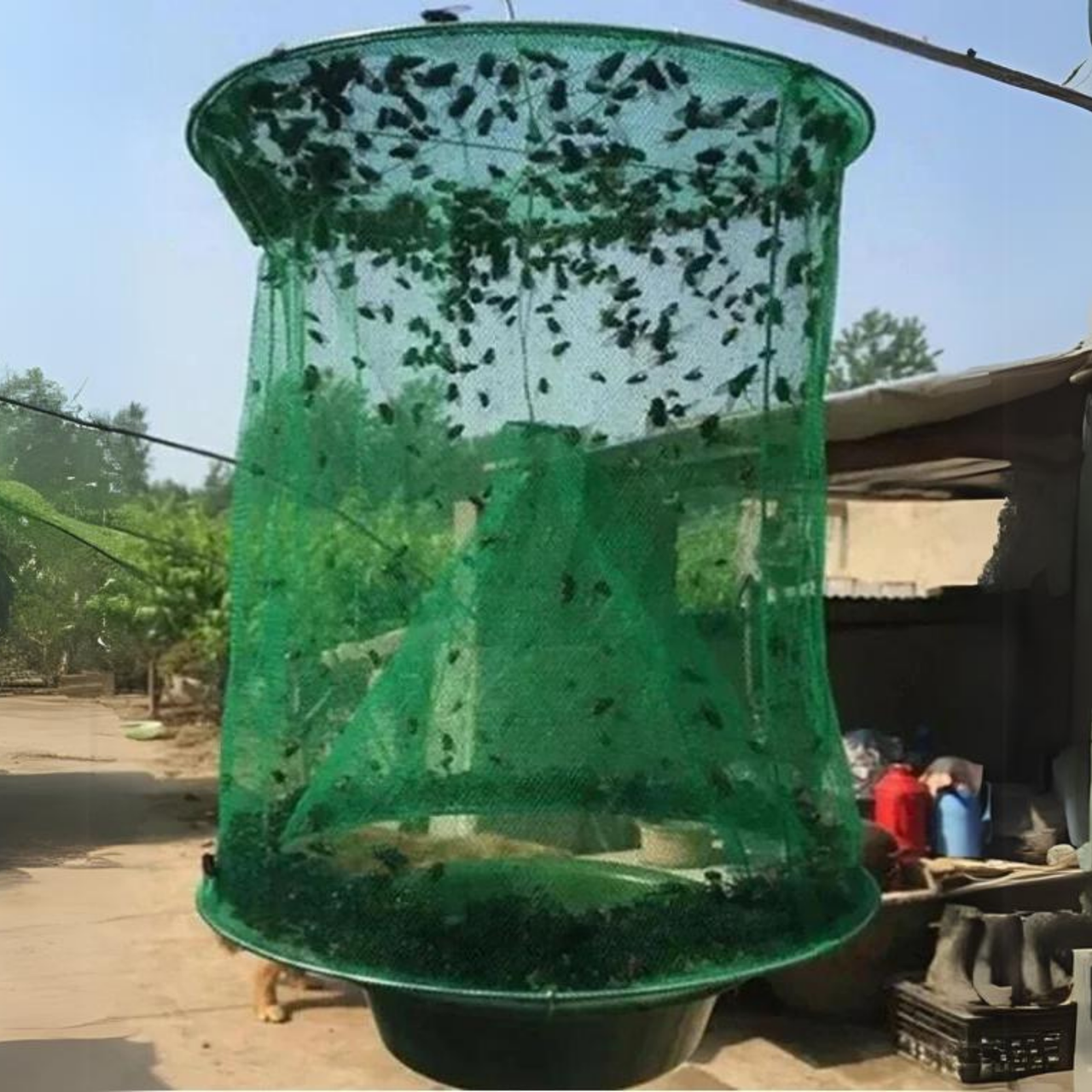
Use Traps: Place traps filled with sugar water or fruit juice to attract and catch wasps. DIY traps made from plastic bottles can also work effectively.
-
Apply Natural Repellents: Wasps are deterred by scents like peppermint, clove, and eucalyptus. Mix these essential oils with water and spray them around outdoor areas to keep wasps away.
-
Remove Attractants: Keep food, drinks, and compost bins covered to minimise wasp activity. Regularly clean outdoor dining areas to avoid attracting them.
-
Maintain Your Garden: Trim trees and shrubs to reduce potential nesting spots. Regular inspections of sheds, patio furniture, and hidden crevices help identify nests early.
-
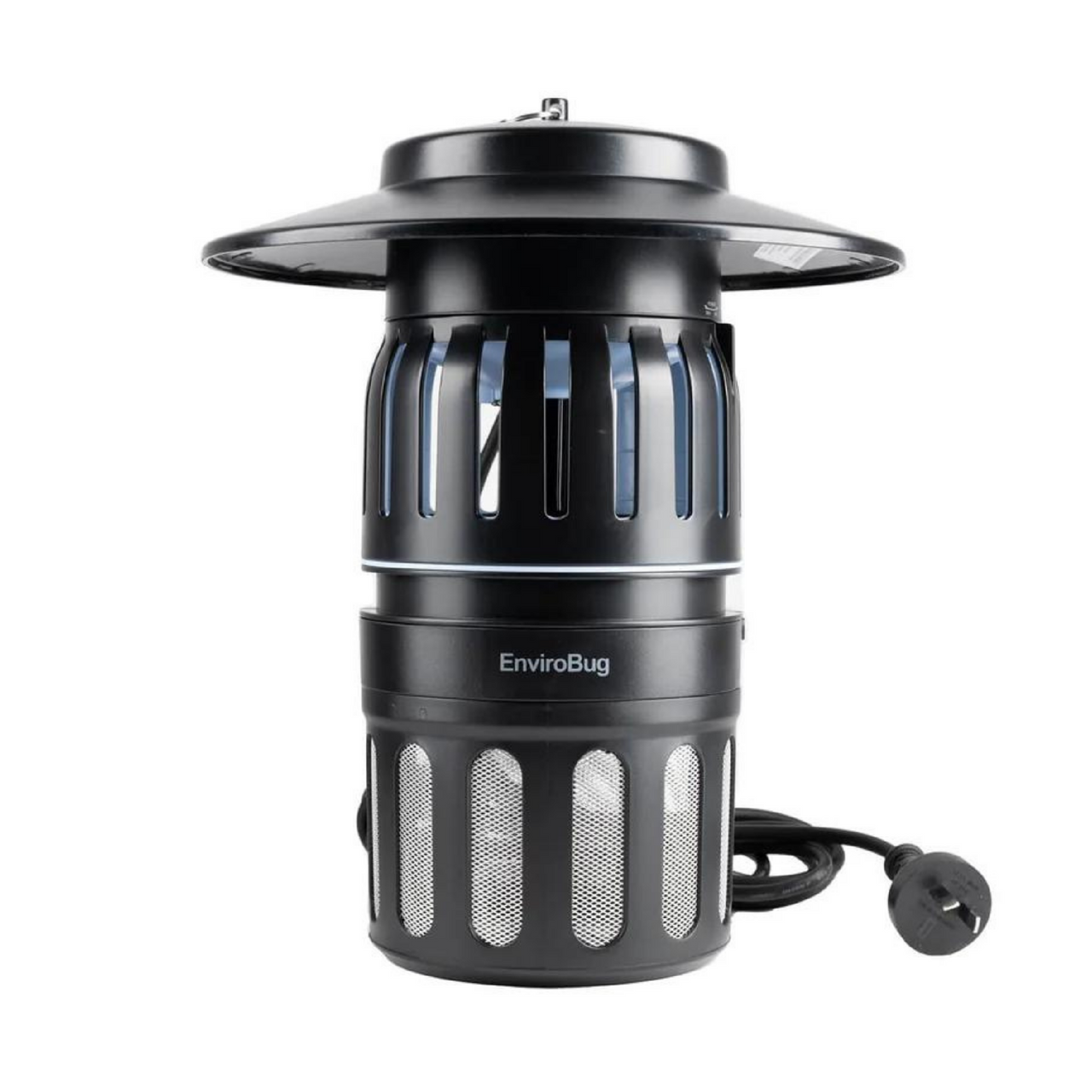
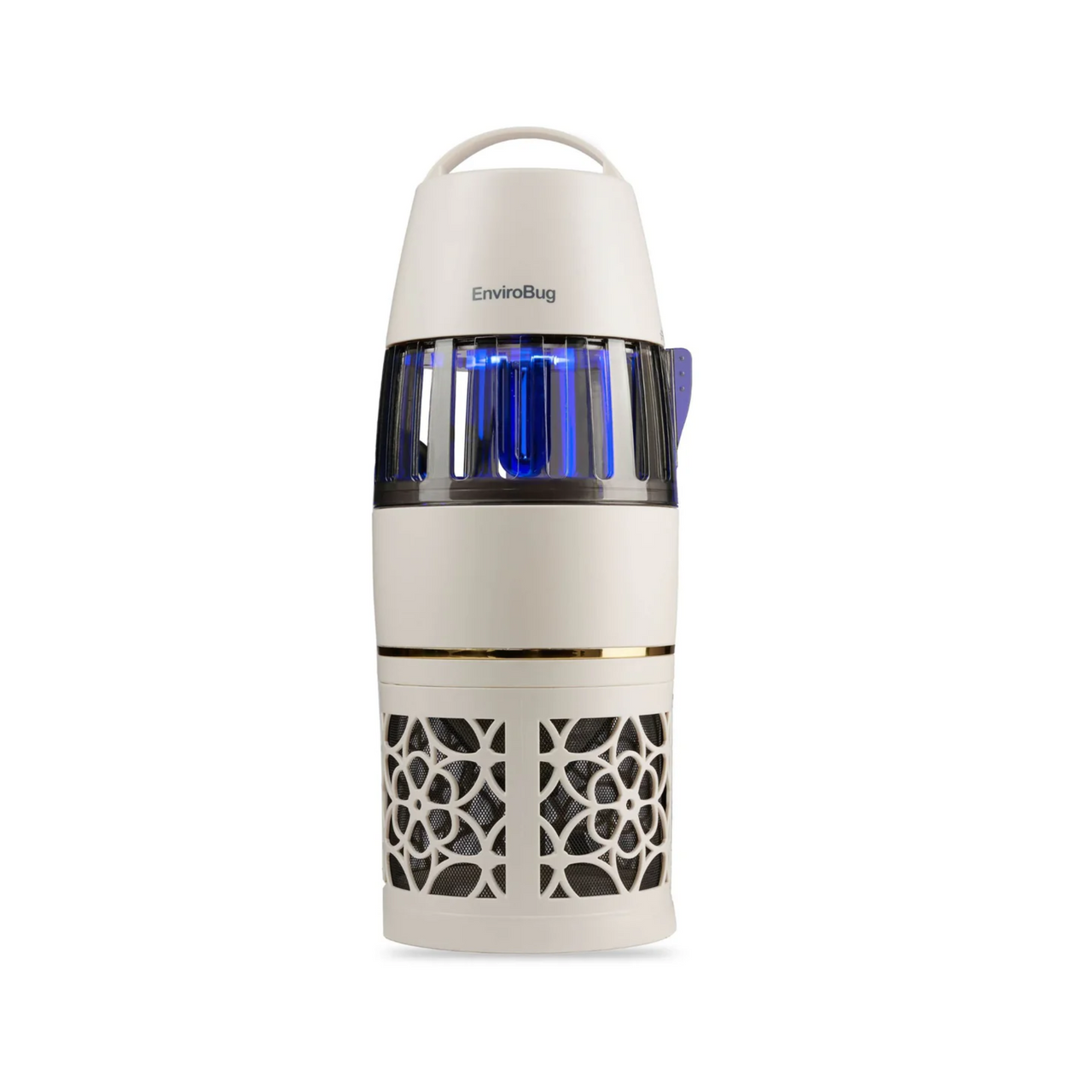
Eco-Friendly Repellers: Solar-powered ultrasonic devices can deter wasps without using harmful chemicals, offering a safe and humane option.
- Remove Nests Safely: Small nests can be removed at night by covering them with a bag and carefully detaching them. For larger nests, consider hiring a professional pest control service that offers eco-friendly removal methods.
Final Word: How to Get Rid of Wasps
Wasps are a vital part of our ecosystem. But that doesn’t mean that you want them around you, especially if you have an allergic reaction to their sting. Therefore, above are the ways to get rid of wasps from your home/garden, so you can enjoy them in peace.