
Gnats are not a great pest to have in your home. They can infest food stores, be irritants to everyone, and are unsightly. Fungus gnats are also a sign of a greater problem in your home. Therefore, in this article, we look at fungus gnats and how we can get rid of them in the home.
Introduction to Gnat Infestations
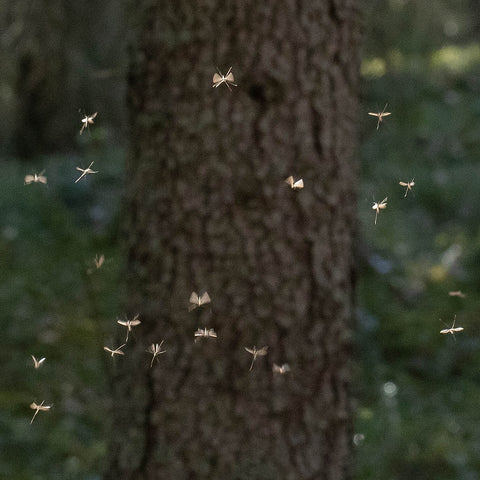
Common fungus gnats are small, dark mosquito-like flies that reach sizes of about 4mm. They have small heads and long legs. They are often seen flying around or running along the soil surface. Gnats are generally weak fliers, so tend to just hover around house plants.
The tiny insect is part of the order Diptera. They can be a real nuisance for plant businesses as well as in the home. In major infestations, plants can be devastated with seedlings dying quickly.
They can also spread disease when they come into contact with food.
Gnats lay eggs in the soil. Eggs are tiny, at just 0.2mm in length. They are laid in crevices on the soil surface. Larvae live in the soil and feed on the roots of the plant. The larvae are pale in colour with no legs. The maggots will grow to about 5-7mm and have tiny, shiny black heads.
Infestations usually occur when soil is brought into the home. For instance, those who love plants in the house bring in new potting soil from a local garden centre.
If left untreated, gnat infestations can be a significant problem and so need quick action.
How Do I Get Rid of Gnats?
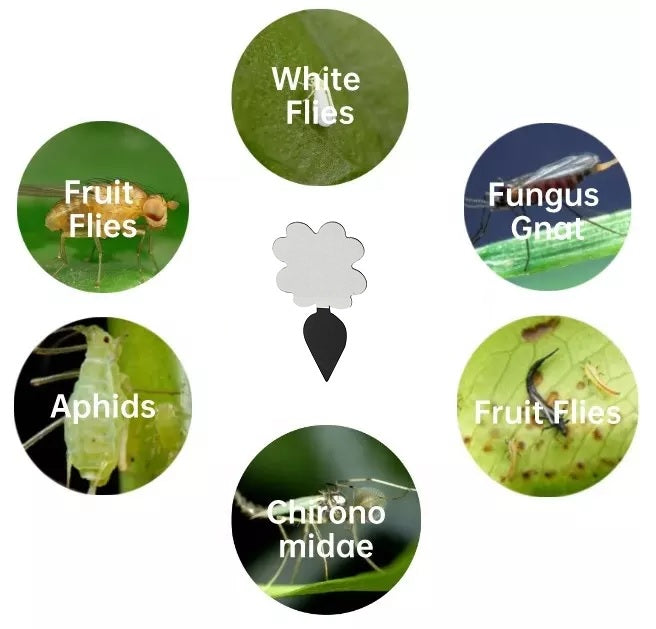
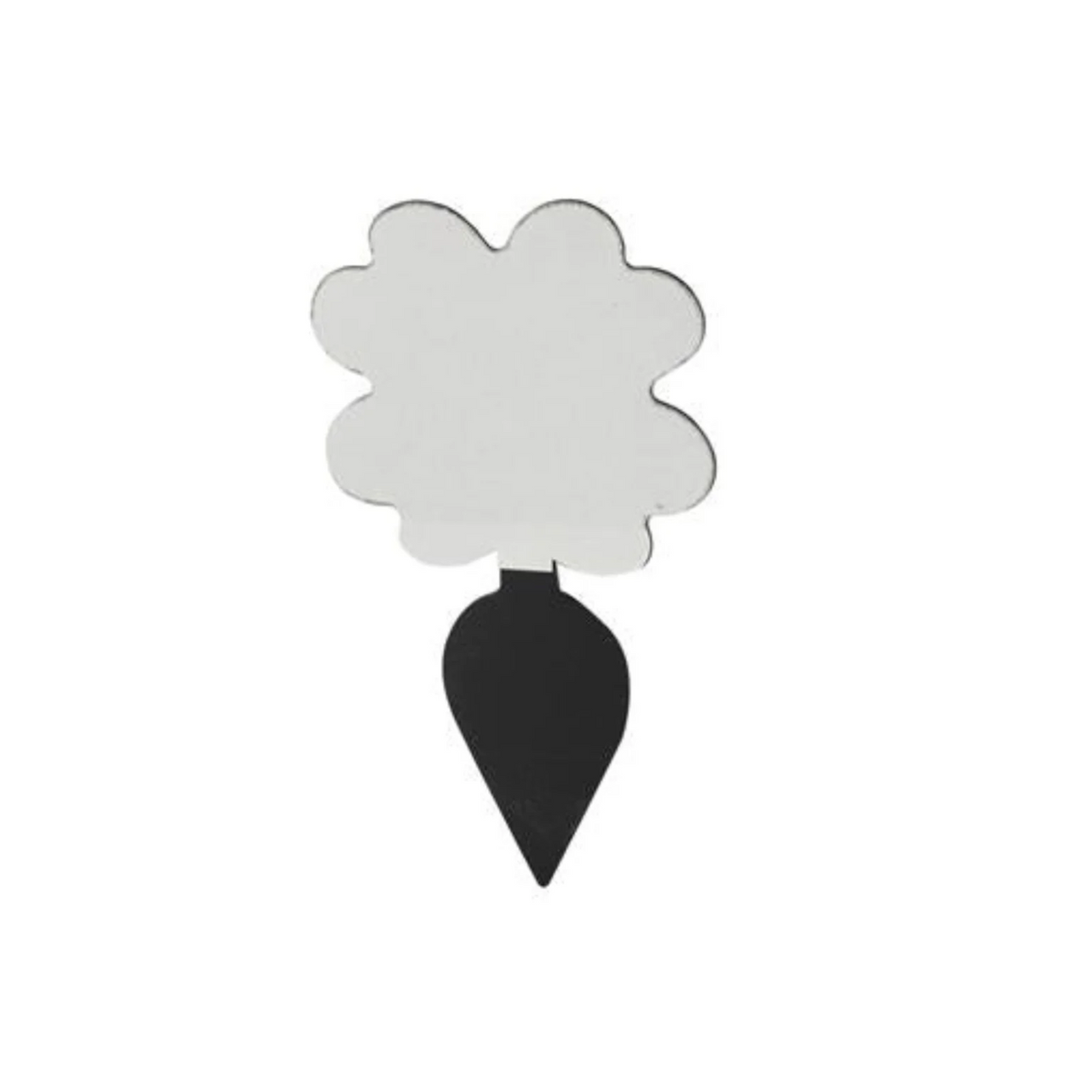
Product on the picture above: Sticky Gnat Traps
There are numerous ways that you can get rid of gnats in the home. Some natural environmentally friendly techniques are available.
1. Natural DIY Traps
The first thing that you can try is to use natural DIY traps for fungus gnats. An excellent option is to mix half a cup of warm water with two tablespoons of apple cider vinegar, six drops of washing-up liquid, and a tablespoon of sugar. Place this in a bowl or other container.
Gnats will be lured to the trap because of the sugar mixture. However, as soon as they land for a drink, the sticky dishwater soap will trap them. This will quickly kill them. However, this option doesn’t protect your plants from the maggots.
And it might take several attempts to reduce your infestation significantly enough.
2. Environmental Control Techniques
Another option is to control the environment in which your plants live. Gnats are attracted to high humidity in the soil. So you need to reduce watering your plants so that the soil is less waterlogged.
In addition, you might want to reduce the temperature in the room. Warm homes are going to have a significantly higher fungus gnat problem than those in cooler homes. You can also increase the movement of air in the room, which can cause a problem for the gnat to fly, and therefore they can’t move.
A final environmental factor to change is leaving food out, especially sugary foods like soda, sugar, fruit, or candy. These foods can attract fungus gnats and ruin foods that you leave out. It’s best to store foods in sealed storage boxes.
How to Get Rid of Fungus Gnats
3. Biological Control Measures
There are several biological control measures for fungus gnats. For instance, you can add nematodes and predatory insects that live inside the soil of the potted plants or greenhouse plants that you have which feed upon the maggots. You can also introduce spiders to plants that will protect them from gnats close by.
These biological measures can be relatively effective and once the gnat infestation has gone, the predatory insects will die out. There are stores online where you can buy a starter culture of these beneficial predators. One of the advantages of these is that you start with a small culture and the culture will grow as large as it needs to.
4. Essential Oils and Repellents
Essential oils can be devastating to fungus gnats. If you use just 25 drops of oil in 1 litre of water pour this or spray it over the solid of the plants. The scent and flavour are very distasteful to the fungus gnats which will leave the area.
Another option is to use neem oil. You can add just a few drops of neem oil in water and spray them over the affected areas. Neem oil is fatal to both the mature flies and larvae. Repeating this process a few times will kill the fungus gnats. Just keep the treatment going until there are no more fungus gnats.
How Do I Get Rid of Fungus Gnats Naturally
5. Chemical-Free Insecticides
There are several safe and effective ways to use natural insecticides. You can buy them online.
These generally use natural substances that are known to kill and deter fungus gnats. Garlic and chilli spray are two natural ingredients that you might find in these products.
There are lots of chemical-free insecticides that are available and you can buy them online from many e-shops. You can also find them in local garden centres. You might want to talk to staff at these centres because they will likely have a product that they use themselves.
6. Gnat-Repellent Plants
If you’re experiencing an infestation outside in a greenhouse or somewhere where there is a lot of planting space, you can repel gnats by growing some plants that they don’t like. For instance, fungus gnats will avoid plants like garlic and onions. Planting these among other plants can improve your soil health as well as prevent fungus gnats from making a home in your potted plants.
There is a large list of plants that can deter gnats. Most of the time you can also get mature plants from garden centres, which probably treat their plants at some point.
How to Get Rid of Fungus Gnats in Human Skin
If you have fungus gnats in your skin, you need to seek medical help. A doctor will remove the gnats for you with a myiasis removal procedure.
7. Home Maintenance Tips
There are numerous regular home maintenance processes that you can use. These are designed to regularly ensure that you can be gnat-free or that if there are some gnats you quickly deal with them.
For instance, you might want to start by regularly cleaning kitchen surfaces in the home with some citrus spray. Keeping sides clean can help prevent attractants from staying on surfaces and allowing for infestations to start.
Also, if you have messy children or pets, regular cleaning is essential to prevent food from falling to the floor and then attracting gnats. One of the most forgotten spaces that can cause infestations is when food falls behind fridges, freezers, or the back of cupboards. Cleaning these areas at least once a week can reduce the chances of an infestation from taking hold in your home.
You can also do regular checks throughout the home. Look at the soil in plants. Infestations often start small with just a few in a plant pot, and these infestations can go unnoticed unless you conduct regular inspections.
You should also look at performing regular treatments such as adding predatory insects, as mentioned above. If you do this every six months, you can often prevent infestations from starting.
You can also use some of the natural, DIY treatments like neem oil spray or essential oil treatments for fungus gnats to reduce the chances that a small infestation is starting. These can be done every month.
8. Gnat-Proofing Indoor Spaces
If you want to gnat-proof your home, you need to look at preventing infestations from coming into the home. Using mesh nets over windows and doors can help. However, gnats are very small and you might get an infestation coming in with food or soil for houseplants.
Therefore, you might want to think about ways to quarantine soil as it enters the home. Reptile keepers recommend that soil is cooked in the oven for two hours at 200 degrees, as this not only eliminates all fungus gnats but also kills other parasites and insects that can cause harm in the home.
For food, you should ensure that it is washed as quickly as possible and reduce the chance of cross-contamination by using Tupperware to store all foods individually. Then if something is infested, it remains in one container and not spread to plants in the house or to other food products.
What's the Best Way to Get Rid of Fungus Gnats?

9. Effective Garden Solutions
Effective garden solutions can be much tougher because you don’t have much control over the entrance and exit of the pest. However, some options are available. Therefore, you can reduce fungus gnats with some of these options:
- Reduce watering of your plants to ensure that the soil doesn’t have too much water in it.
- Use plants that naturally repel gnats in the garden.
- Use natural traps around your plants to trap gnats.
- Spray garden plants with natural and plant-safe treatments.
- Removing compost heaps and not putting in fruit/vegetables in the compost heap.
- Improve the drainage in the lawn if possible.
- Consistent Monitoring and Prevention
Finally, you need to establish the right practices to ensure that you are preventing future issues within your home or garden. For instance, you need to set up weekly, monthly, and six-monthly checks on your plants and home.
If you’ve noticed that gnats have infested one particular area of your garden or home, efforts should be focused on this place. You might want to keep a checklist where you are writing down where you’ve checked and what you’ve done.
It can also be useful to regularly do preventative measures. So doing regular treatment and cleaning of your home/garden can be particularly good.
Timelines for Gnat Elimination
Elimination of fungus gnats can be very quick, especially if you’re looking to use several treatment methods to ensure the environment is not suitable for them. Some people are going to be able to eliminate a small infestation within just a week or two.
However, some infestations can take weeks to fix, especially if you don’t have the mixtures of any treatments just right.
Therefore, it is important to consider that you might be in for the long haul to eliminate everything.
Another thing to consider is that you might think that you have all the breeding areas for the fungus gnats. But you might have missed an area. For instance, you might have an infestation outside in a flower bed, but not realise it because you keep finding them moving indoors.
So when you find one infestation, look around your whole property to ensure that you are finding the true course.
Frequently Asked Questions
How to Get Rid of Fungus Gnats Australia
There are numerous ways that you can deal with fungus gnats in Australia. You first have to assess where the problem is and then you can choose one of the best control methods.
How to Get Fungus Gnats Out of House
There are numerous strategies for removing fungus gnats from the home. It is important to consider environmental as well as chemical-free treatments on your indoor plants and other surfaces.
How Long to Get Rid of Fungus Gnats
Numerous factors can determine how long it takes to get rid of fungus gnats. The type of treatment, the size of the current infestation, and whether you have the main infestation can all play a part in the timeline to get right of fungus gnats.