
The silence of an Australian night is rarely truly silent, but there is a specific type of noise that sets a homeowner’s heart racing. It usually begins as a subtle scratching behind a wardrobe or a heavy, rhythmic thumping directly above the bedroom ceiling. In the Australian suburbs, these sounds almost always signal one of two uninvited guests: a possum or a rat.
Understanding exactly who has moved into your roof is the first and most vital step toward reclaiming your peace of mind. You cannot treat a possum infestation the same way you treat a rat problem. In this article, we will examine how to distinguish between a rat and a possum infestation so that you can manage both infestations the right way, and reclaim your home with ease.
Does the Difference Between Possum and Rat Infestations Matter?
You might be tempted to think that any furry intruder is simply a nuisance to be removed as swiftly as possible, but the reality is far more complex. Before you begin investigating up in the roof, it is essential to understand the legal landscape that governs our local fauna. In Australia, the Brushtail and Ringtail possums are protected under the National Parks and Wildlife Act. This means it is strictly illegal to kill, harm, relocate or even cause undue stress to these animals. However, a homeowner or licensed operator is permitted to trap a possum humanely, though strict regulations govern their relocation. Long-distance removal is entirely prohibited; by law, the trapped possum must be released on the same property or within a tight 50-to-150-metre radius of where it was caught, strictly at dusk and near a climbable structure.
While trapping and moving a possum might seem like a kind gesture, research shows it is often a death sentence. Studies indicate that manually relocated Common Brushtail Possums typically suffer highly stressful deaths shortly after being released. Disoriented in unfamiliar territory, they struggle to find safe, elevated shelter. In fact, nearly 68% are forced to den on or beneath the ground during their first week. This unnatural ground-dwelling behaviour induces severe stress and leaves them entirely exposed to introduced predators like foxes.
Rats, on the other hand, do not enjoy the same legal status as possums. Because harming a rat will not necessarily lead to the same legal repercussions as harming a possum, Australian homeowners resort to the quickest solution against rats when dealing with an infestation—death.
The traditional method of using rat bait is deeply inhumane. Anticoagulant poisons cause a slow, painful death over several days through internal haemorrhaging. Beyond the cruelty to the rat itself, we must consider the devastating impact of secondary poisoning. When a poisoned rodent staggers outside and is caught by a family dog, a curious cat, or a local owl, that predator also ingests the toxin. This ripple effect can decimate local bird-of-prey populations and put beloved household pets at extreme risk.
Are Possums and Rats Related?
Despite their similar silhouettes in the moonlight, rats and possums are not related at all. Rats are placental mammals and members of the order Rodentia, built for rapid reproduction and high-energy scavenging. Possums, by contrast, are marsupials—more closely related to kangaroos and wombats than to any rodent. They carry their young in pouches and have vastly different biological requirements. The reason they look so similar to the casual observer is a fascinating biological process known as convergent evolution. This occurs when two entirely unrelated species evolve similar physical traits because they occupy similar niches or face similar environmental challenges.
Differences Between Rats and Possums
If you want to identify your intruder without coming face-to-face with it, you need to look at the finer details of their lifestyle and physical presence. While both rats and possums are nocturnal and adept at navigating the hidden corners of a house, their individual traits offer a wealth of clues.
Rat vs Possum – Living Arrangements
Rats live in colonies. If you hear the sound of one rat, there are almost certainly several more nearby. They are masters of the "strength in numbers" strategy, establishing complex nests where they multiply with alarming speed. Rats are also notoriously secretive. In a healthy colony, you will rarely see them during the day. If you do happen to spot a rat wandering about in broad daylight, it is usually a sign that the colony has become so overpopulated that the lower-ranking individuals are being forced to scavenge at unusual hours.
Possums are highly solitary animals, and a single roof is usually only large enough for one. Males are particularly territorial and will defend their home against any other males that attempt to intrude. While they may temporarily leave their territory to seek out a mate, they always return to their specific home base. Unlike the somewhat erratic schedule of a large rat colony, possums are strictly nocturnal. They will spend the entire day in a deep sleep, only emerging once the sun has completely set. This means that if you hear movement at 2:00 PM, it is almost certainly a rat rather than a possum.
Rat vs Possum - Diet
When it comes to the dinner table, these two animals have very different etiquette. Rats are inherently suspicious and intelligent; they are "tasters" who rarely commit to a full meal in one sitting. To avoid being noticed or caught, they will take tiny nibbles from several different food sources. This behaviour allows for the infamous "apple test." If you leave an apple out overnight and find it covered in tiny, jagged teeth marks but still largely intact, you are likely dealing with rats.
Possums are much less subtle in their culinary pursuits. If a possum finds a food source it enjoys, it will usually sit down and finish the entire thing. They have a particular fondness for fruits, flowers and leafy garden greens. If your vegetable patch is being systematically stripped bare or your fruit trees are being emptied overnight, the culprit is almost certainly a possum.
Rat vs Possum - Droppings
If you can safely access your roof cavity, the droppings will provide final confirmation of your guest's identity. Possum droppings are large, roughly the size of an olive stone, and cylindrical. They are often found scattered across the insulation rather than in a specific pile. Rat droppings are significantly smaller, about 10mm to 15mm long, spindle-shaped, and usually found in concentrated areas or along the paths they travel. The smell is also a major factor. Possums have scent glands that produce a heavy, musky odour that can become quite pungent over time. Rat infestations tend to smell more like ammonia due to the concentration of urine in their nesting areas.


How to Get Rid of Rats or Possums
Basic Housekeeping
Effective pest management is rooted in prevention, specifically by modifying your home’s environment to ensure it is no longer an attractive prospect for local scavengers. All food sources, from pantry staples to pet kibble, should be secured in heavy-duty, airtight containers designed to withstand persistent gnawing. Outside, wheelie bins must remain tightly sealed and should be hosed out regularly to neutralise the food odours that act as a beacon for uninvited guests. The yard requires equal attention: pruning tree branches that overhang the roofline creates a vital buffer, as a two-metre gap is typically enough to discourage an acrobatic possum from leaping onto your tiles and scouting for a way into the roof space.
Deterrence Over Poisons
The Australian Pesticides and Veterinary Medicines Authority (APVMA) has increasingly highlighted the severe risks associated with the use of anticoagulant rodenticides. When a rat or a possum is poisoned, it does not die instantly; it becomes a walking hazard. The toxins used in common baits prevent blood from clotting, leading to a slow and agonising death that can take more than a week. During this time, the animal becomes slow, lethargic, and disoriented, making it an easy target for Australia’s native predators, such as Boobook Owls, Powerful Owls, and Tawny Frogmouths. When these birds consume a poisoned rodent, they ingest the toxin themselves. This secondary poisoning is a leading cause of death for our raptors, killing the very creatures that provide natural pest control. This cycle also extends to domestic pets, which are at high risk of internal bleeding if they find a poisoned rodent.
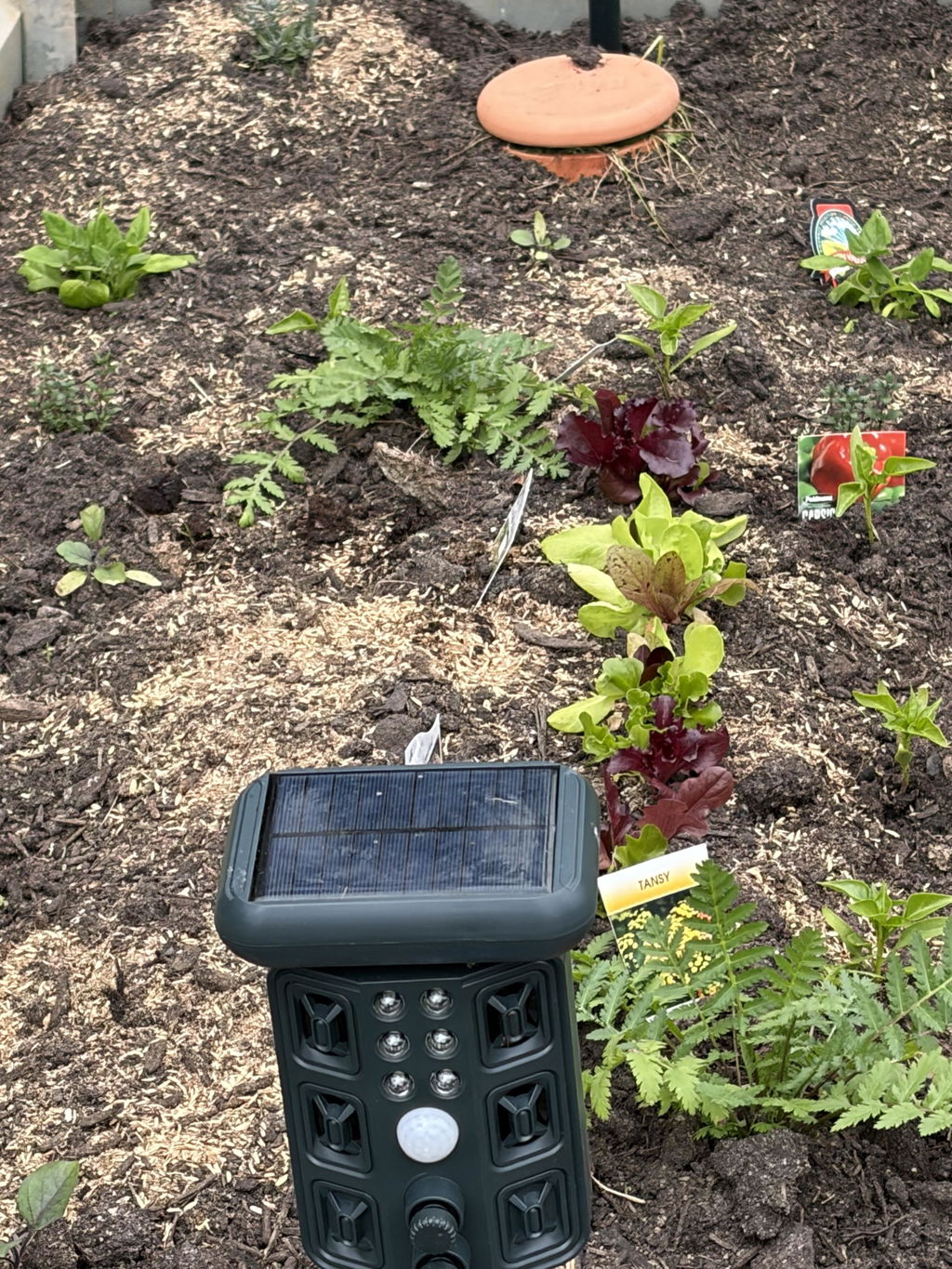
The most humane and effective non-lethal solution to get rats and possums out of your roof is using deterrents. EnviroBug’s 360 Degree Ultrasonic Pest Repeller is a highly effective choice for open attic spaces and large roof cavities. It utilises three different speakers to project high-frequency sound waves in every direction, ensuring there are no acoustic "blind spots" for pests to hide in. The device features variable frequency settings which prevent animals from becoming accustomed to the sound, maintaining its effectiveness over the long term.

For areas of the home where power outlets are unavailable, we highly recommend using the Wireless Rechargeable Ultrasonic Pest Repeller. This portable unit is perfect for deep roof voids, garden sheds, or even cars that are being targeted by nesting rodents. It can be easily recharged via USB, making it an eco-friendly and flexible option for hard-to-reach spots.
When dealing with particularly stubborn infestations or very large industrial-sized spaces, The Brute is the most powerful deterrent in the range. It emits an intensive, high-pressure ultrasonic sound that is specifically designed to overwhelm the sensitive hearing of even the most persistent pests.

Final Word
Living in harmony with Australia’s unique wildlife requires a balance of respect and firm boundaries. By taking the time to identify whether you have a protected possum or a wandering rat, you can implement a plan that protects your home without resorting to inhumane methods. Avoiding poisons protects our native fauna and your own domestic pets from the horrors of secondary poisoning. Reclaiming your home does not have to be a battle of life and death; with the right deterrent devices and a bit of persistence, you can ensure that your ceiling remains quiet and your conscience remains clear.