
Australia is a nation defined by its love for the great outdoors. From backyard barbecues on balmy summer evenings to coastal camping trips and hikes through ancient bushland, our lifestyle is deeply intertwined with nature. But this idyllic relationship is frequently disrupted by a tiny, buzzing adversary: the mosquito, or as it is affectionately yet begrudgingly known, the ‘mozzie’. While international visitors often fret over Australia’s infamous snakes, spiders, sharks and marine stingers, it is actually the mosquito that poses one of the most consistent threats to our daily comfort and public health. Beyond the intense irritation of an itchy bite, these insects serve as vectors for a variety of debilitating pathogens.
As environmental conditions shift and urban areas expand into natural habitats, understanding and mitigating the risks associated with these persistent pests has never been more vital for protecting our families and communities.
When is Mozzie Season in Australia?
Given Australia’s massive area and geographical diversity, ‘mozzie season’ is not a uniform period but rather a shifting window dictated by regional climate patterns. In the southern and temperate regions—including Victoria, Tasmania, South Australia, southern Western Australia, and New South Wales—mosquito activity is highly seasonal. It typically begins to surge in mid-to-late spring as temperatures rise, peaks during the hot and humid summer months (December to February), and gradually tapers off into late autumn.
In the tropical north of Australia, encompassing northern Queensland, the Northern Territory, and the Kimberley region, warm temperatures persist year-round, meaning mosquitoes are a constant presence. However, their numbers explode dramatically during the ‘Wet Season’, which generally spans from November to April. Large-scale climate drivers such as La Niña phenomena, which bring above-average rainfall and widespread flooding to eastern and northern Australia, can trigger unprecedented mosquito plagues well outside normal seasonal expectations, leaving stagnant water reservoirs that act as perfect breeding grounds for months on end.
What are The Common Species of Mosquitoes in Australia?
Australia is home to a surprisingly diverse array of mosquito fauna, with more than 300 indigenous species recorded across the country. While the vast majority of these species prefer native wildlife and do not bother humans, a select group of common species are highly adapted to human environments and pose significant health risks.
Among the most prevalent is the Common Banded Mosquito (Culex annulirostris), a species widespread across inland waterways, wetlands and rural areas. It is notorious for its ability to travel long distances from its breeding sites and is a primary vector for several native viruses. Along the coastal fringes and estuarine environments, the Northern Saltmarsh Mosquito (Aedes vigilax) and the Southern Saltmarsh Mosquito (Aedes camptorhynchus) rule the wetlands. These aggressive daytime biters breed in brackish water pools left by high tides and can plague coastal communities. In domestic settings, particularly in northern Queensland, the Dengue Mosquito (Aedes aegypti) is a major concern. This species breeds almost exclusively around residential properties in artificial containers like pot plant saucers, blocked gutters and discarded tyres.
The diseases carried by these species range from uncomfortable to life-threatening. The most common mosquito-borne illnesses in Australia are Ross River virus (RRV) and Barmah Forest virus (BFV). While rarely fatal, both can cause severe, long-lasting symptoms including chronic joint pain, swelling, extreme fatigue, and skin rashes that can persist for months, severely impacting a person's quality of life. More severe, though less common, are the neurological conditions caused by Murray Valley encephalitis (MVE) virus and Kunjin virus, which can lead to inflammation of the brain. In recent years, Japanese encephalitis virus (JEV) has emerged as a significant public health threat in southeastern Australia. Previously confined to the far north, JEV has spread through waterbird and pig populations, presenting a serious risk of severe neurological illness to humans and requiring heightened vigilance nationwide.
How to Prevent Mozzies
Effectively managing mosquito numbers around your property requires a proactive, strategic approach that focuses on source reduction and physical exclusion. Rather than waiting for a swarm to disrupt your outdoor activities, taking control of your immediate environment is the most reliable way to minimise their presence.
By addressing the vulnerabilities in your yard and home, you can significantly disrupt their breeding cycles and establish a secure living space:
-
Eliminate standing water: Because mosquitoes require stagnant water to complete their life cycle, removing these potential breeding grounds is your most effective primary defence.
-
Clear roof gutters: Regularly remove leaves, twigs and debris to ensure rainwater flows freely and does not pool in blocked channels.
-
Maintain outdoor containers: Empty bird baths at least once a week, and turn over wheelbarrows, empty pots and storage buckets kept outside so they cannot collect rainwater.
-
Manage garden vegetation: Keep lawns mown and shrubbery well-trimmed to reduce the damp, shaded resting areas where adult mosquitoes typically hide during the heat of the day.
-
Install and maintain flyscreens: Ensure intact, high-quality flyscreens are fitted tightly to all windows and doors to establish a permanent physical barrier that protects your indoor spaces.
The Dark Side of DEETs and Other Sprays
When thinking about protection, there is a common misconception that heavy chemical intervention is the only solution. Historically, households have relied on synthetic chemical sprays or personal repellents saturated with DEET or Picaridin. However, these chemical dependencies are entirely unnecessary to achieve a mosquito-free environment—and more importantly, they carry severe, often overlooked risks.
On a human level, synthetic chemical repellents and residual barrier sprays pose genuine health concerns. Strong chemicals like DEET are readily absorbed through the skin; over-application or prolonged use can lead to severe skin irritation, dermatitis, and in cases of high exposure, neurotoxic symptoms such as headaches, dizziness or lethargy. For young children, whose skin is thinner and bodies are still developing, and for family pets who routinely groom themselves, the risk of accidental toxin ingestion or adverse reactions is significantly amplified.
Environmentally, the damage caused by widespread chemical pesticides is devastatingly non-selective. When backyards are blanketed in synthetic pyrethroid sprays, the poison does not discriminate. It immediately wipes out vital pollinators like native bees, as well as natural mosquito predators such as dragonflies, lacewings and birds—effectively dismantling the local ecosystem's natural pest control.
These chemical compounds are highly stable, meaning they do not break down easily. During heavy Australian downpours, residual chemicals wash off plants and enter the stormwater system. Once they reach local creeks, rivers and wetlands, they are acutely toxic to fish, frogs and aquatic macroinvertebrates, poisoning the fragile aquatic food chains that unique native wildlife relies upon. Over time, heavy reliance on these substances also triggers chemical resistance, forcing the evolution of mosquitoes that are entirely immune to standard treatments, locking households into a counterproductive cycle of increasingly aggressive chemical use.
Managing Mozzies Without Harmful Chemicals
EnviroBug’s modern mosquito repellent products replace the need for unleashing toxic and harmful chemicals in your backyard, taking out the collateral risks and damage. When we say no poison, we mean it. Our mosquito repellent devices are designed to be inherently sustainable, providing effective, long-term management instead of short-lived, quick-fix solutions that leave harmful toxicity behind.
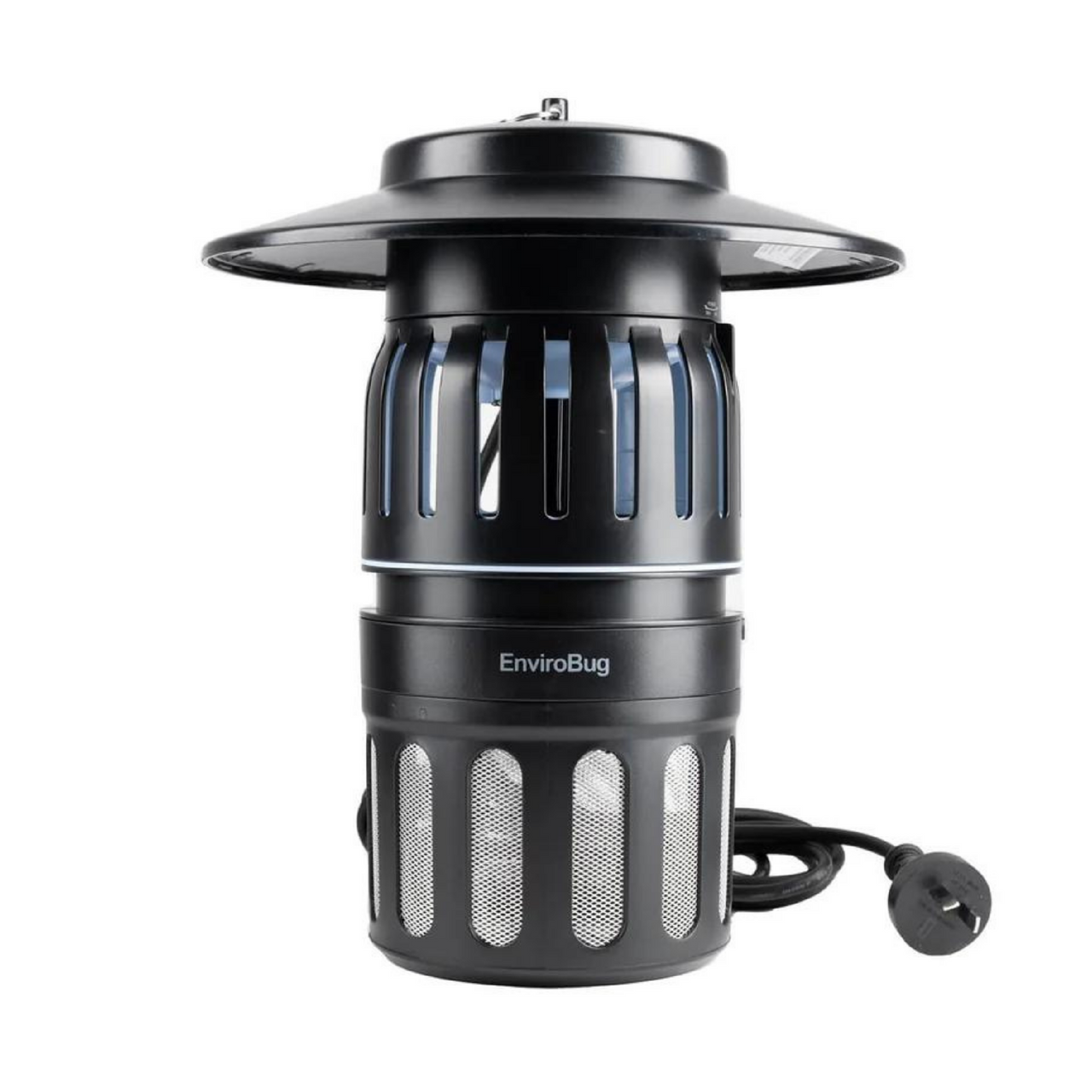
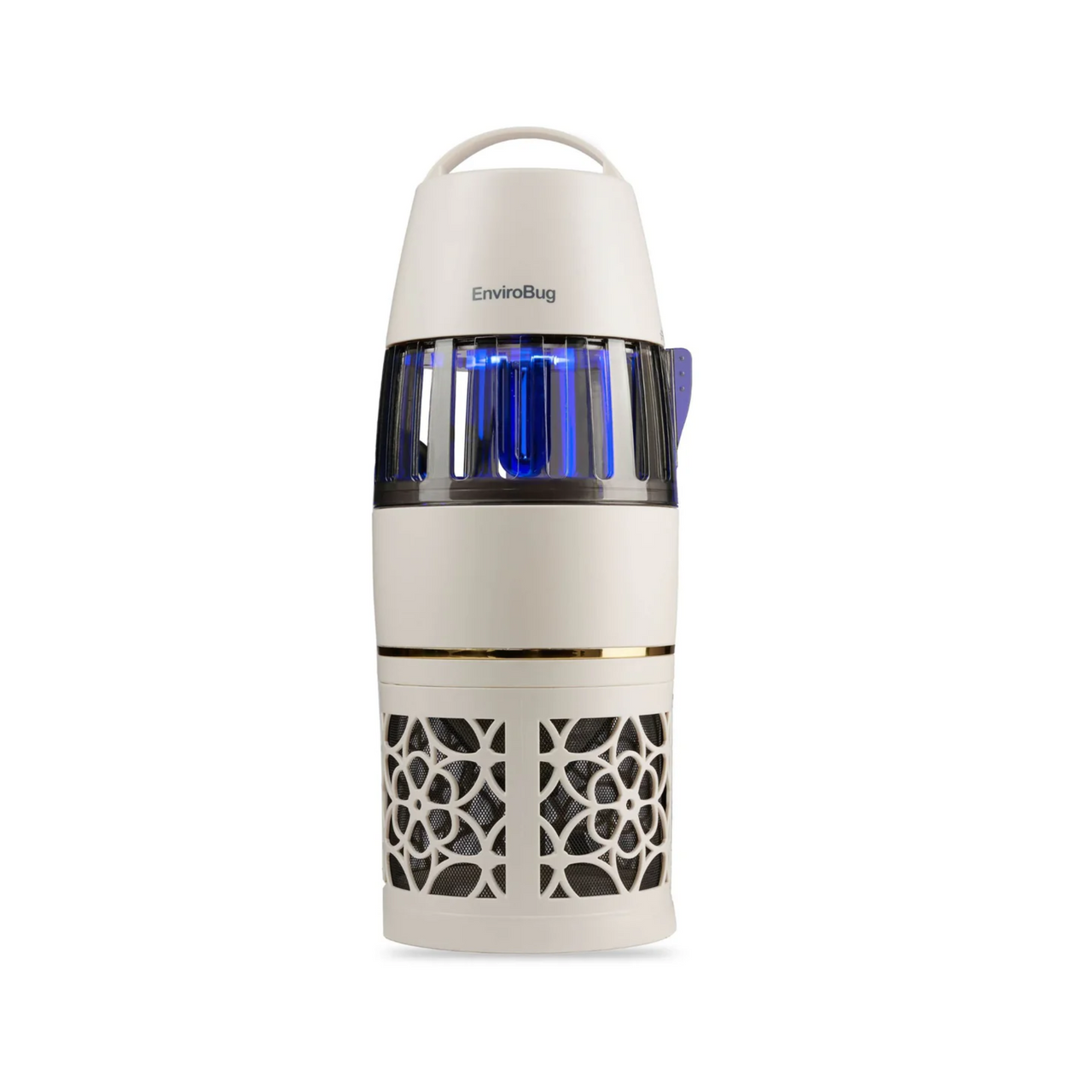
For keeping indoors clear, continuous mechanical traps provide a seamless, passive line of defence. For indoor mosquito management, the Super Indoor Mosquito Killer Dry Trap is highly recommended, as it quietly attracts and dehydrates biting insects without the need for chemical vapours or disruptive zapping noises. For larger open-air spaces, the Heavy Duty Outdoor Mosquito Trap creates a protective perimeter around your yard, drawing pests away from entertaining areas and capturing them safely before they can reach your family.
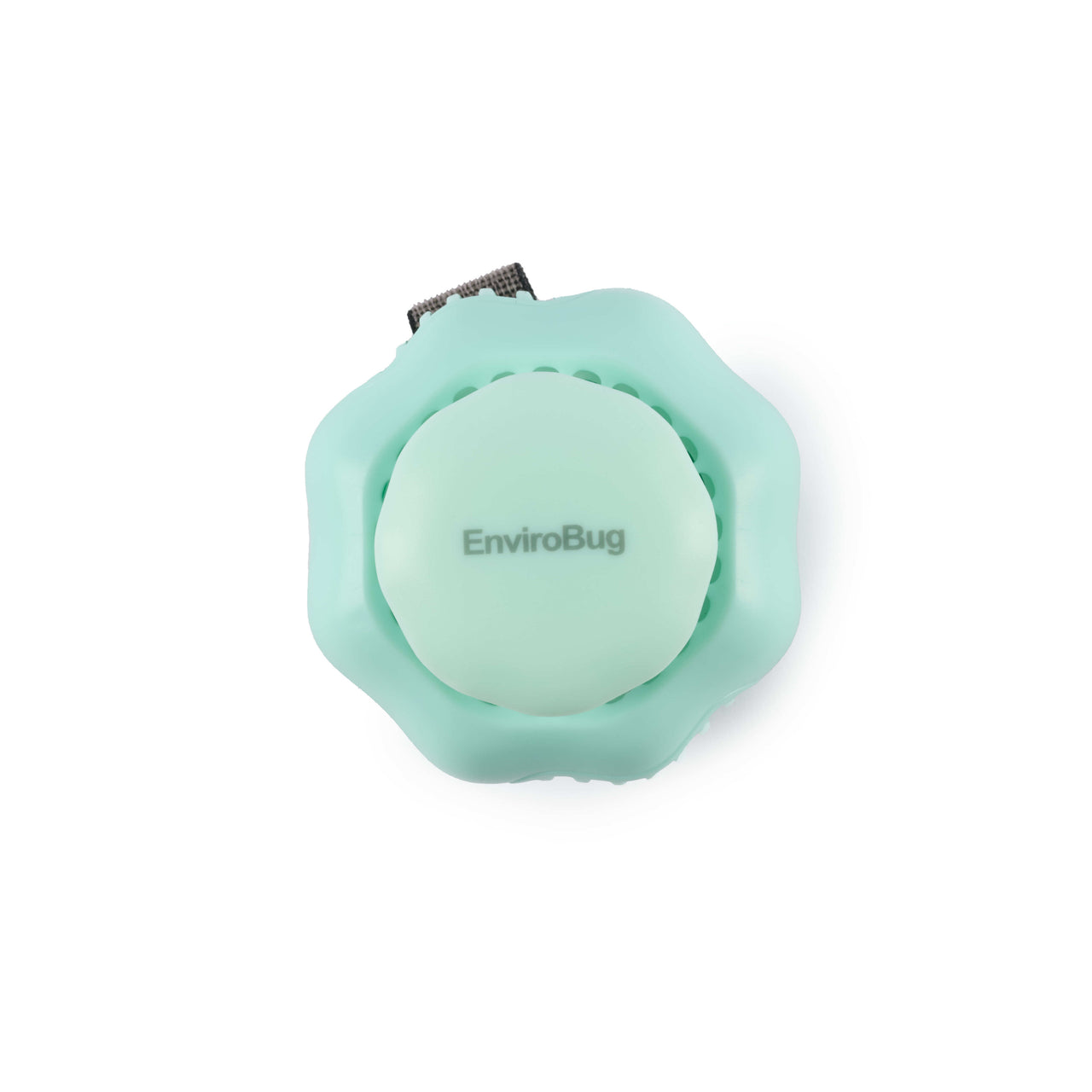
When hosting a classic Australian barbecue or entertaining guests on the veranda, immediate and active solutions are often required. The EnviroBug Bug Sabre serves as the perfect quick-response tool, allowing you to swiftly deal with any stray intruders before they can ruin the festivities. For those venturing further into the bush, the Mozzie Slayer Explorer is an indispensable camping companion, providing portable, heavy-duty defence that ensures your wilderness sleepouts remain comfortable and bite-free.
Final Word
Enjoying the classic Australian lifestyle does not mean accepting the risk and irritation of mosquito bites, nor does it require turning your home into a chemical zone. By understanding mosquito seasons, identifying localised risks, and adopting sustainable, non-toxic prevention strategies, you can keep your family safe. Proactive, eco-friendly management ensures we can confidently enjoy our outdoor spaces for years to come.
FAQs
There is a common misconception that household rubbish and food scraps attract mosquitoes in the same manner they attract flies, ants, or rodents. In reality, mosquitoes are not drawn to organic waste or leftovers; male mosquitoes feed on plant nectar, while females seek out blood meals to develop their eggs.
However, a pile of rubbish is still a major hazard because of its structural ability to collect water. Discarded plastic packaging, empty tin cans, tyres, or an unlidded wheelie bin in the backyard can easily trap rainwater. Even a tiny amount of stagnant water pooling in a piece of crumpled rubbish can create a perfect, predator-free breeding ground. Therefore, while the rubbish itself isn't attracting them as a food source, accumulated clutter directly increases mosquito numbers by multiplying their breeding sites.
To effectively safeguard your living spaces, prevention strategies should focus on moisture control and physical exclusion:
-
Target Dampness and Humidity: Mosquitoes are highly sensitive to dehydration and seek out humid, sheltered environments. Ensure high-moisture areas like bathrooms, laundries, and kitchens are well-ventilated. Fix any leaky pipes or dripping taps under sinks immediately, as even a small trickle can create the damp conditions they love.
-
Fortify Windows and Doors: Physical barriers are your most reliable line of defence. Ensure fine-mesh flyscreens on all windows are completely intact and free of tears. For high-traffic areas, such as doors leading out to a balcony or patio, consider installing tightly fitted magnetic mesh curtains that automatically snap shut behind you.
-
Seal Structural Gaps: Inspect your home for potential entry points. Opportunistic insects can easily crawl through small openings around skirting boards, floorboards, or gaps in the walls. Seal these crevices and ensure all external ventilation grilles are covered with a durable, fine insect-proof mesh to block entry without restricting airflow.