
If you've been dealing with an influx of fruit flies lately, you're not alone. Australia's warm climate makes our homes particularly vulnerable to these persistent little insects, and they can take over a kitchen with alarming speed. This article serves as a practical guide to help you understand why fruit flies appear, how to get rid of them effectively, and what you can do to prevent them from coming back.
Fruit Flies
Fruit flies (Drosophila melanogaster) are tiny insects, typically around 3–4 mm in length, with red eyes and a tan or brownish body. They are commonly found near sources of food, particularly ripe or fermenting fruit — hence the name. However, they will also breed in other organic matter, such as food scraps in a bin, residue in drains or even a damp mop or sponge. Anywhere there is decaying organic material, fruit flies can establish themselves.
It is worth noting that what Australians often call "fruit flies" in the kitchen are actually vinegar flies or drain flies. True fruit flies (Bactrocera species) are an agricultural pest that attacks fruit crops and is subject to biosecurity controls. The small flies most commonly found buzzing around your kitchen bench are vinegar flies, though the terms are used interchangeably in everyday conversation.
What Causes a Fruit Fly Infestation?
A fruit fly infestation can seem to appear out of nowhere, but there are always contributing factors. The most common causes include overripe or rotting fruit left on the bench, unwashed dishes sitting in the sink, food scraps in an uncovered bin, spills that haven't been fully cleaned up, and open containers of beer, wine or juice. Fruit flies are strongly attracted to the odour of fermenting sugars, which is why alcoholic beverages left out are such a reliable lure.
What makes fruit flies particularly concerning for homeowners is the sheer pace at which an infestation can grow. A female fruit fly can lay up to 400 eggs in her lifetime, with eggs hatching within 24 to 30 hours under warm conditions. In Australia's climate, where temperatures are often high for much of the year, a small problem can become a significant infestation within days if left unaddressed.
Why Fruit Flies Are a Real Concern for Australian Homeowners
Beyond being an annoyance, fruit flies pose genuine risks that homeowners should take seriously. Because fruit flies feed on decaying matter and then land on fresh food, they can transfer bacteria such as E. coli and Salmonella from contaminated surfaces to the food on your kitchen bench. This is particularly relevant in households with young children, elderly family members or anyone with a compromised immune system.
Fruit flies can also be a sign of a deeper hygiene issue — such as a slow or blocked drain harbouring organic build-up, or a rubbish bin that isn't being cleaned regularly. Addressing the visible flies without tackling the root cause will only result in the problem returning. An infestation that is allowed to persist can also attract other pests, compounding the issue over time.
How to Get Rid of Fruit Flies in Your Kitchen?
Keep Your Kitchen Clean
The single most effective way to eliminate a fruit fly infestation is to remove every possible food source. Wash all fruit and vegetables as soon as you bring them home and store ripe produce in the refrigerator rather than on the bench. Wipe down benchtops and splashbacks thoroughly after preparing food, and ensure that spills — even small ones — are cleaned up promptly. Pay particular attention to the areas around your bin, your sink and beneath your appliances, as these spots often harbour unnoticed residue.
Clean your kitchen bin regularly and use a bin with a secure, well-fitting lid. If you have a compost caddy on your bench, empty it daily during warmer months.
Cover Your Fruit
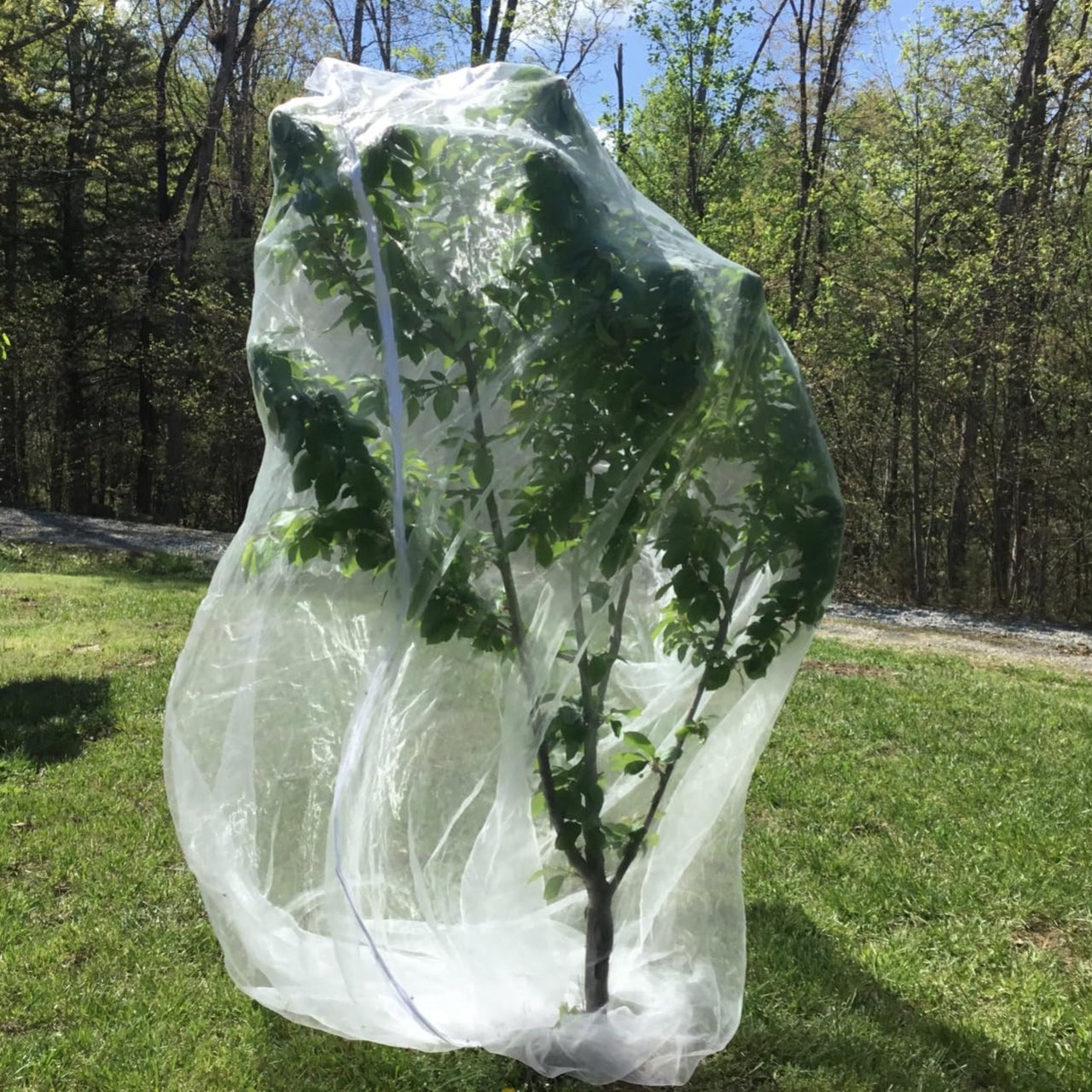
One of the simplest preventative measures is to keep your fruit covered or refrigerated. A fruit bowl left uncovered on the bench is an open invitation, especially during summer. Consider a mesh food cover for fruit you prefer to keep at room temperature, or move it into the fridge until the infestation has been resolved.

Address Your Drains
Kitchen drains are a frequently overlooked breeding ground for fruit flies. The organic matter that accumulates inside drainpipes — food particles, soap residue and grease — provides an ideal environment for eggs to be laid and larvae to develop. Pour boiling water down your sink drain regularly and consider using a drain cleaner or a baking soda and white vinegar flush on a weekly basis to keep drains clear.
Use an Eco-Friendly Plug-In Trap
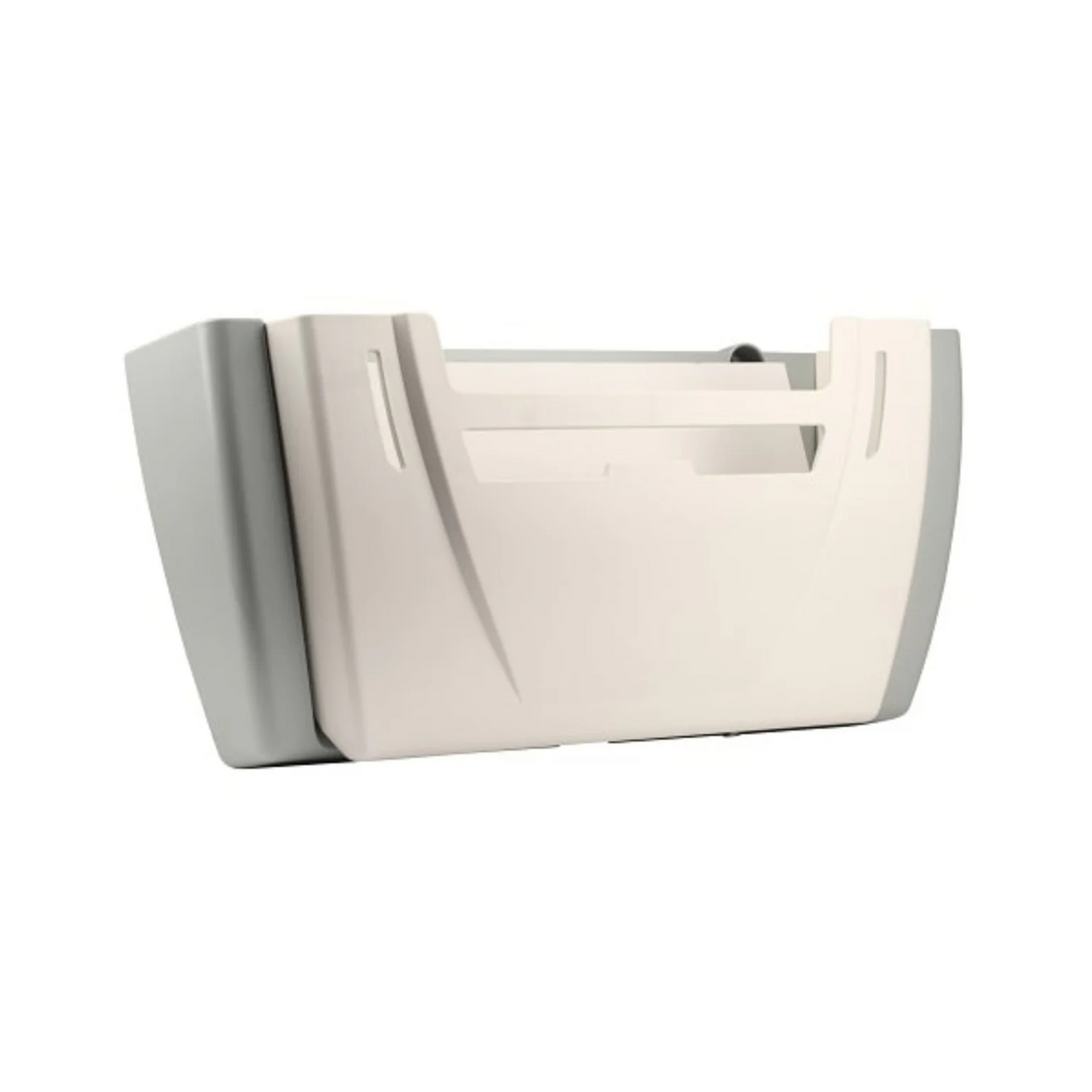
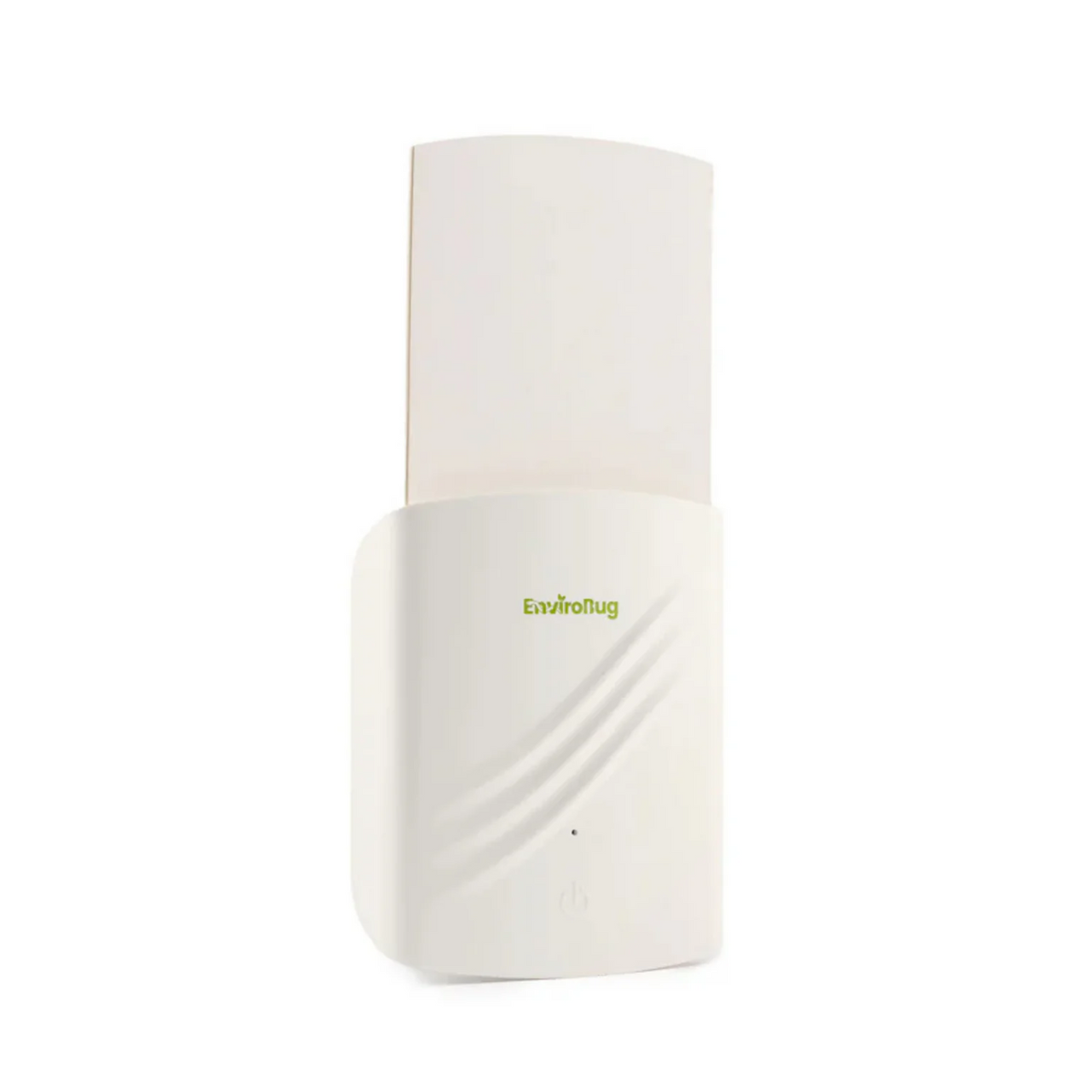
For a reliable, hands-off solution that works around the clock, the EnviroBug Bug Magnet Plug-in Flying Insect Sticky Trap is an excellent option. This clever device plugs directly into a wall socket and uses a subtle purple light to attract small flying insects — including fruit flies, mosquitoes and midges before trapping them on an environmentally friendly replaceable glue board. It operates silently, uses less than 2 watts of power, and also doubles as a soft night light. Two glue boards are included with each unit, and each board lasts approximately one month before needing to be replaced. It is free from chemicals, sprays or zapping mechanisms, making it safe for use around children and pets. For households dealing with flies in multiple rooms, bundle packs are available.

Use a Fly Repellent Fan for Dining Areas
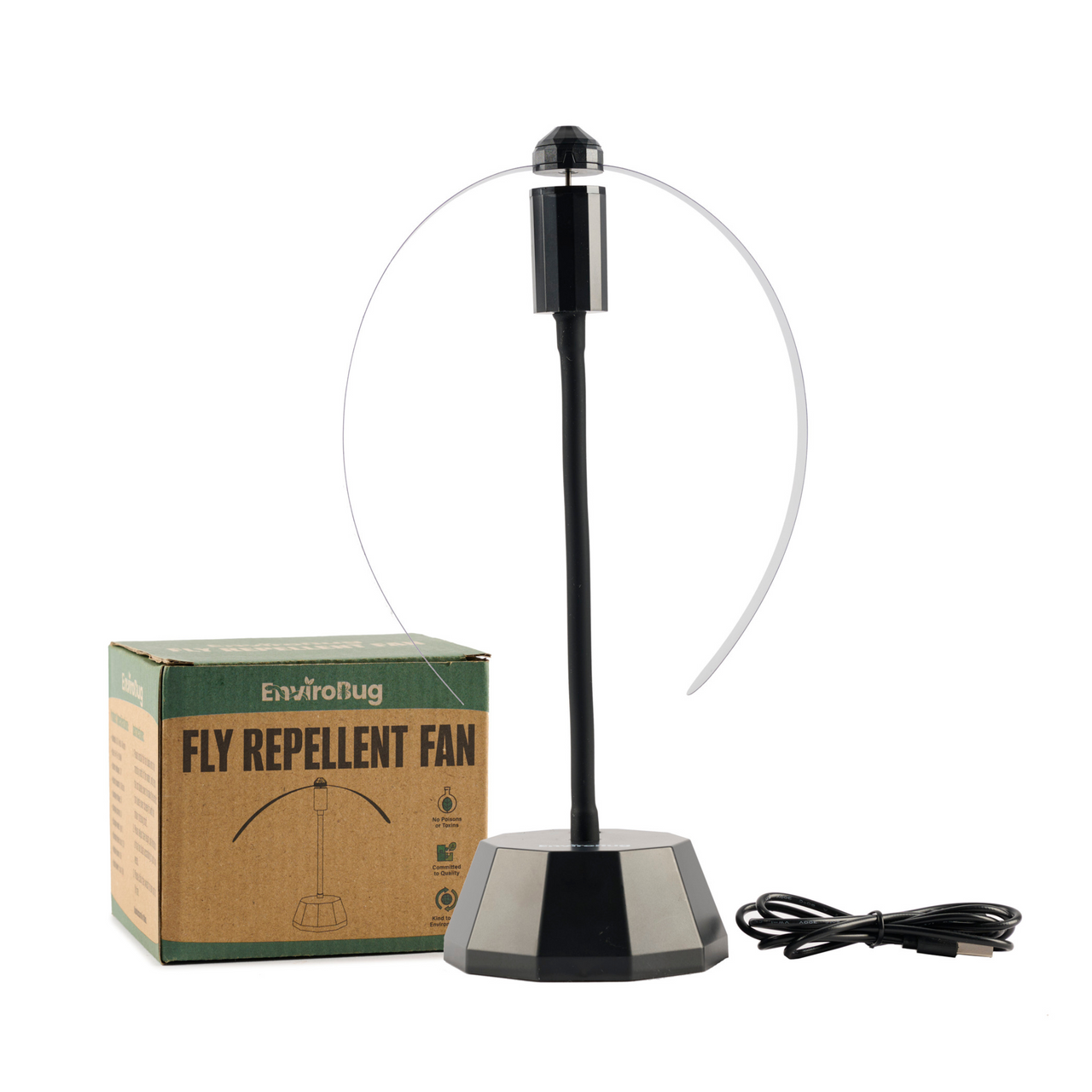
If fruit flies are disrupting meals or congregating around food on the table, the EnviroBug Portable Fly Repellent Fan offers a practical, chemical-free solution. This rechargeable fan uses soft reflective blades that rotate silently to create a gentle airflow barrier, confusing and deterring flies without harming them. It is USB Type-C rechargeable with a battery life of up to 10–15 hours per charge, and can be used on a tabletop or hung up depending on your needs. It folds down compactly for easy storage, making it just as useful for outdoor BBQs and picnics as it is for the kitchen. The soft-stop blade technology means it is completely safe around children and pets.

Conclusion
Fruit flies are more than a minor inconvenience in Australia's warm climate, they can establish themselves quickly and pose a genuine risk to food hygiene and household health. The good news is that with consistent kitchen habits and the right tools, they are entirely manageable. Start by eliminating the sources that attract them, then put reliable, eco-friendly solutions in place to keep numbers down without resorting to harsh chemicals. A little prevention goes a long way, and once you have the right routine in place, you can enjoy your kitchen again without the unwanted company.
FAQs
Start by removing anything that might be attracting them — store fruit and vegetables in the fridge or sealed containers, clear away any food waste and wipe down benchtops thoroughly. Don't forget your kitchen drain, which is a surprisingly common breeding spot.
The fastest way to make a dent is to cut off their food supply. Throw out any overripe or rotting fruit, clean up spills, and empty the bin. For ongoing control without the hassle, the EnviroBug Bug Magnet plug-in trap works around the clock to capture flying insects without chemicals or sprays.
More often than not, fruit flies hitch a ride into your home on fresh produce from the shops or garden. Once inside, they zero in on anything overripe, fermenting or decaying — fruit on the bench, scraps in the bin, and residue sitting in your kitchen drain. Open windows and doors also make it easy for them to wander in, especially during Australia's warmer months.
An infestation usually takes hold when a food or moisture source is left long enough for fruit flies to breed. Rotting fruit, an uncovered bin, dirty drains, and unnoticed spills are the most common culprits. The reason things escalate so quickly is that a single female can lay hundreds of eggs in her lifetime, and in Australia's warm climate those eggs can hatch within a day or two — so a few flies can turn into a full-blown problem before you know it.